ในช่วงหลายปีที่ผ่านมา “โซล่าเซลล์” กลายเป็นหนึ่งในทางเลือกด้านพลังงานที่หลายคนให้ความสนใจ ไม่ว่าจะเป็นบ้านพักอาศัย อาคารสำนักงาน โรงงาน หรือแม้แต่โครงการขนาดใหญ่ระดับประเทศ อย่างไรก็ตาม หนึ่งในคำถามที่ผู้สนใจติดตั้งมักจะสับสนมากที่สุดคือ “สรุปแล้วโซล่าเซลล์มีกี่แบบ และควรเลือกใช้แบบไหนกันแน่ ?” ความสับสนนี้เกิดขึ้นเพราะคำว่า “แบบ” หรือ “ระบบ” เนื่องจากการติดตั้งโซล่าเซลล์สามารถจำแนกได้ในหลายมิติ ทั้งประเภทของแผงรับแสง รูปแบบการบริหารจัดการไฟฟ้า ไปจนถึงลักษณะการติดตั้ง ซึ่งทั้ง 3 ส่วนนี้ไม่เหมือนกัน แต่ก็มีความสัมพันธ์ทับซ้อนเกี่ยวข้องกันอยู่
บทความนี้จะพาไปเจาะลึกทุกองค์ประกอบ เพื่อให้เห็นภาพรวมว่าการจะลงทุนสร้างแหล่งพลังงานไฟฟ้าไว้ใช้เองนั้นต้องเลือกจับคู่เทคโนโลยีอย่างไรให้คุ้มค่าเงินที่สุด และตอบโจทย์พฤติกรรมการใช้ไฟอย่างแท้จริง
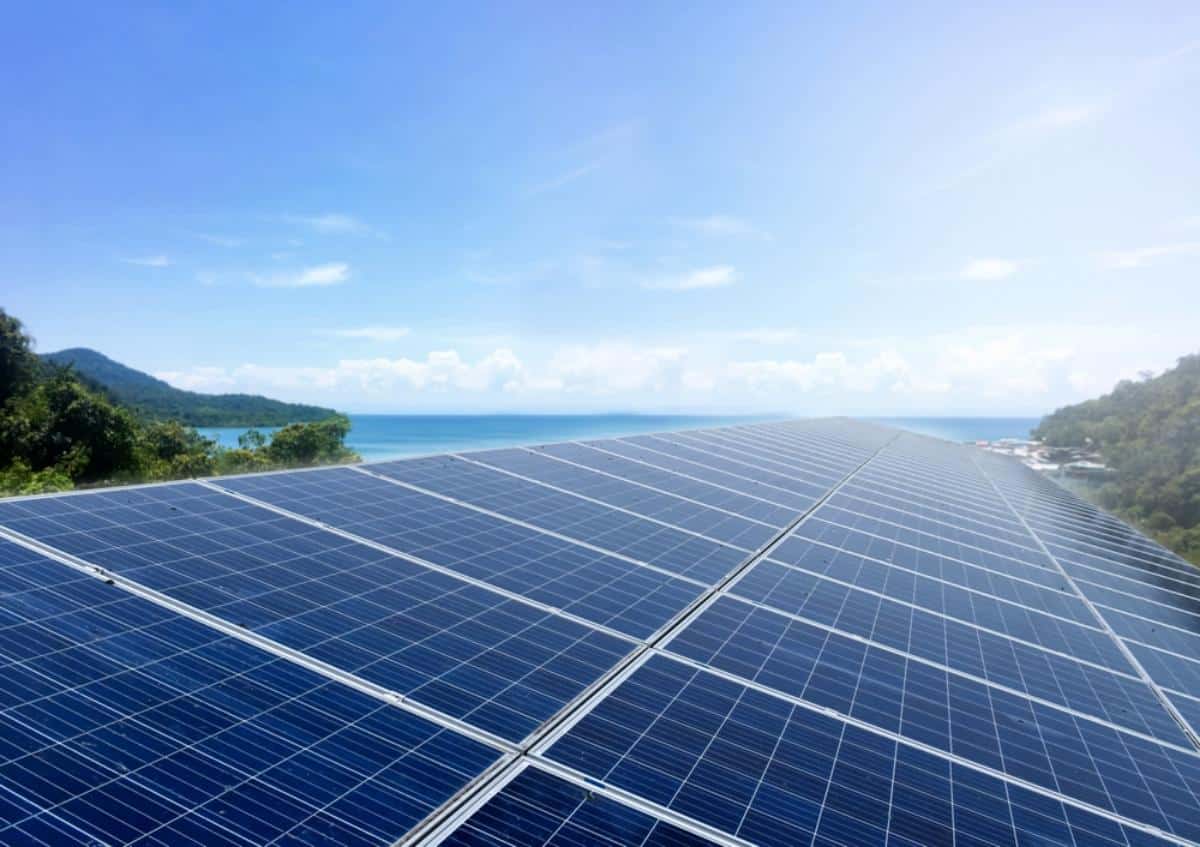
โซล่าเซลล์มีกี่ประเภท ?
จุดเริ่มต้นของระบบพลังงานแสงอาทิตย์คือ “แผงโซล่าเซลล์” (Solar Module/Panel) ซึ่งทำหน้าที่เปลี่ยนพลังงานแสงอาทิตย์ให้เป็นพลังงานไฟฟ้ากระแสตรง (DC) ดังนั้น คำถามแรกที่ผู้ติดตั้งควรหาคำตอบคือ “โซล่าเซลล์มีกี่ประเภท ?” โดยปัจจุบันเทคโนโลยีการผลิตแผงมีการพัฒนาไปมาก แต่ในท้องตลาดหลัก ๆ ยังคงแบ่งออกเป็น 3 ประเภท ตามลักษณะของสารกึ่งตัวนำที่ใช้ผลิต
1. โซล่าเซลล์ประเภท Monocrystalline (Mono)
เทคโนโลยีที่ได้รับความนิยมและมีประสิทธิภาพสูงที่สุดในปัจจุบัน สังเกตได้ง่ายจากลักษณะของเซลล์ที่เป็นสี่เหลี่ยมตัดมุม สีดำเข้มและดูเรียบเนียนสม่ำเสมอ ผลิตจากซิลิคอนที่มีความบริสุทธิ์สูง โดยการหลอมซิลิคอนให้เป็นแท่งผลึกเดี่ยวทำให้อิเล็กตรอนเคลื่อนที่ได้ดี
- จุดเด่น : มีค่าประสิทธิภาพ (Efficiency) เฉลี่ยอยู่ที่ 17-22% หรือมากกว่า ผลิตไฟฟ้าได้ดีแม้ในพื้นที่จำกัด และมีอายุการใช้งานยาวนานที่สุด (25 ปีขึ้นไป) นอกจากนี้ยังทำงานได้ดีกว่าแบบอื่นเมื่ออยู่ในภาวะแสงน้อย
- ข้อควรพิจารณา : ราคามักจะสูงกว่าประเภทอื่นเล็กน้อย แต่เมื่อเทียบกับความคุ้มค่าในระยะยาวถือว่าดีที่สุด เหมาะสำหรับบ้านพักอาศัยที่ต้องการความสวยงามและมีพื้นที่หลังคาจำกัด
2. โซล่าเซลล์ประเภท Polycrystalline (Poly)
เป็นเทคโนโลยีที่เคยครองตลาดมาก่อน สังเกตได้จากสีของแผงที่จะเป็นสีน้ำเงินเข้ม และมีลวดลายคล้ายเกล็ดน้ำแข็ง ซึ่งเกิดจากกระบวนการผลิตที่มาจากการนำซิลิคอนเหลวมาเทใส่แม่พิมพ์ แล้วปล่อยให้เย็นตัวลง ทำให้เกิดผลึกซิลิคอนหลายทิศทาง การเคลื่อนที่ของอิเล็กตรอนจึงไม่ดีเท่าแบบผลึกเดี่ยว
- จุดเด่น : กระบวนการผลิตซับซ้อนน้อยกว่า ทำให้มีราคาถูกกว่าแบบ Mono เหมาะสำหรับโครงการขนาดใหญ่ที่มีพื้นที่ติดตั้งเหลือเฟือ และไม่เน้นเรื่องความสวยงามมากนัก
- ข้อควรพิจารณา : ประสิทธิภาพเฉลี่ยต่ำกว่า (ประมาณ 15-17%) ทำให้ต้องใช้พื้นที่ติดตั้งมากกว่าเพื่อให้ได้กำลังไฟเท่ากับแบบ Mono นอกจากนี้ยังมีค่าสัมประสิทธิ์อุณหภูมิที่ด้อยกว่า คือเมื่ออากาศร้อนจัด ประสิทธิภาพการผลิตไฟจะลดลงมากกว่าแบบ Mono
3. โซล่าเซลล์ประเภท Thin Film (Amorphous)
เป็นเทคโนโลยีที่แตกต่างจากสองแบบแรกอย่างสิ้นเชิง โดยไม่ได้ใช้ผลึกซิลิคอนเป็นก้อน แต่ใช้การพ่นสารกึ่งตัวนำบาง ๆ (เช่น Amorphous Silicon, Cadmium Telluride) ลงบนวัสดุรองรับ เช่น กระจก หรือพลาสติก
- จุดเด่น : มีความยืดหยุ่นสูง โค้งงอได้ น้ำหนักเบา และทนต่อความร้อนได้ดีมาก เหมาะกับการติดตั้งบนพื้นผิวโค้ง หรือใช้เป็นวัสดุก่อสร้างตกแต่ง (BIPV)
- ข้อควรพิจารณา : ประสิทธิภาพต่ำที่สุด (ประมาณ 7-13%) ทำให้ต้องใช้พื้นที่มหาศาลในการติดตั้งเพื่อให้ได้กำลังไฟที่ต้องการ จึงไม่นิยมใช้ในการผลิตไฟฟ้าหลักสำหรับบ้านหรือโรงงานทั่วไป แต่มักพบในอุปกรณ์ขนาดเล็ก เช่น เครื่องคิดเลข หรือนาฬิกา
ระบบโซล่าเซลล์มีกี่ระบบ ?
เมื่อเราเลือก “แผง” ที่จะทำหน้าที่ผลิตไฟฟ้าได้แล้ว โจทย์ต่อมาคือ “เราจะบริหารจัดการไฟฟ้าที่ผลิตได้นั้นอย่างไร ?” ดังนั้น นี่คือที่มาของการแบ่งว่า “โซล่าเซลล์มีกี่ระบบ ?” ตามรูปแบบการเชื่อมต่อด้านล่างนี้
1. ระบบ On-Grid (ออนกริด)
ระบบโซล่าร์เซลล์ยอดนิยมอันดับหนึ่งสำหรับบ้านพักอาศัย โรงงาน และอาคารพาณิชย์ในประเทศไทย เนื่องจากมีความคุ้มค่าในการลงทุน (ROI) เร็วที่สุด
- หลักการทำงาน : เป็นระบบโซล่าร์เซลล์ที่ “เชื่อมต่อขนาน” กับสายส่งของการไฟฟ้า โดยไฟฟ้าที่ผลิตได้จากแผงโซล่าเซลล์จะถูกแปลงเป็นกระแสสลับ (AC) ผ่าน Inverter และจ่ายเข้าไปใช้ในบ้านทันที โดยเครื่องใช้ไฟฟ้าจะดึงไฟจากโซล่าเซลล์ก่อน หากผลิตไม่พอ จะดึงไฟจากการไฟฟ้ามาสมทบโดยอัตโนมัติ
- เหมาะสำหรับ : ผู้ที่ใช้ไฟฟ้าในช่วงเวลากลางวันเป็นหลัก (บ้านที่มีคนอยู่กลางวัน, ออฟฟิศ, โรงงาน)
- ข้อดี : ประหยัดค่าไฟได้สูงสุด ไม่ต้องใช้แบตเตอรี่ที่มีราคาสูง สามารถขายไฟคืนให้การไฟฟ้าได้ (หากเข้าร่วมโครงการภาคประชาชน)
- ข้อจำกัด : ระบบโซล่าเซลล์ On-Grid ครบวงจรจะ “ตัดการทำงานทันทีเมื่อไฟดับ” เพื่อความปลอดภัยของเจ้าหน้าที่การไฟฟ้าที่มาซ่อมไฟ ดังนั้น หากไฟฟ้าสาธารณะดับ บ้านที่ติด On-Grid ก็จะดับด้วย
2. ระบบ Off-Grid (ออฟกริด)
ระบบโซล่าร์เซลล์อิสระที่พึ่งพาตัวเอง 100% ไม่ยุ่งเกี่ยวกับสายส่งของการไฟฟ้า
- หลักการทำงาน : ไฟฟ้าที่ผลิตได้จากแผงจะถูกส่งไปเก็บไว้ใน “แบตเตอรี่” และเมื่อต้องการใช้ไฟฟ้า Inverter จะดึงไฟจากแบตเตอรี่มาแปลงเป็น AC จ่ายให้อุปกรณ์ไฟฟ้า
- เหมาะสำหรับ : พื้นที่ห่างไกลที่ไฟฟ้าเข้าไม่ถึง (เช่น บนดอย, เกาะ, สวนการเกษตร) หรือผู้ที่ต้องการพลังงานสะอาดแบบ 100%
- ข้อดี : มีไฟฟ้าใช้แน่นอนแม้ไม่มีสายส่ง ไฟไม่ดับตามการไฟฟ้า
- ข้อจำกัด : ต้นทุนสูงมากเนื่องจากราคาแบตเตอรี่ และต้องมีการคำนวณโหลดการใช้ไฟฟ้าอย่างแม่นยำ หากคำนวณผิด ไฟอาจไม่พอใช้ตลอดคืน อีกทั้งแบตเตอรี่มีอายุการใช้งานจำกัด ต้องเปลี่ยนตามระยะเวลา
3. ระบบ Hybrid (ไฮบริด)
เป็นระบบโซล่าร์เซลล์ที่นำข้อดีของ On-Grid และ Off-Grid มารวมกัน คือ “ประหยัดค่าไฟ + มีไฟสำรอง”
- หลักการทำงาน : ระบบเชื่อมต่อกับสายส่งการไฟฟ้า แต่ก็มีแบตเตอรี่สำหรับกักเก็บพลังงานด้วย ในเวลากลางวันระบบจะผลิตไฟใช้และชาร์จลงแบตเตอรี่ หากไฟดับ ระบบสามารถดึงไฟจากแบตเตอรี่มาจ่ายให้อุปกรณ์สำคัญ (Critical Loads) ได้ หรือเลือกใช้ไฟจากแบตเตอรี่ในช่วง Peak Load (ช่วงที่ค่าไฟแพง) ตอนกลางคืนได้
- เหมาะสำหรับ : บ้านที่ต้องการความมั่นคงทางพลังงานสูง (เช่น มีผู้ป่วยต้องใช้เครื่องมือแพทย์, มีเซิร์ฟเวอร์ หรืออยู่ในพื้นที่ไฟตกบ่อย)
- ข้อดี : มีไฟใช้ตลอดเวลาแม้ไฟหลวงดับ บริหารจัดการพลังงานได้ยืดหยุ่นที่สุด
- ข้อจำกัด : ราคาสูงที่สุดในบรรดาทุกระบบ เนื่องจากต้องลงทุนทั้ง Inverter แบบ Hybrid และแบตเตอรี่ลิเธียมคุณภาพสูง

การติดตั้งแผงโซล่าเซลล์มีกี่แบบ ?
เมื่อเราเลือกสเปกแผง (Mono/Poly) และเลือกระบบ (On-Grid/Hybrid) ได้แล้ว คำถามสุดท้ายคือ “การติดตั้งแผงโซล่าเซลล์มีกี่แบบ ?” เพราะเรื่องนี้เกี่ยวข้องโดยตรงกับตำแหน่งที่จะนำแผงโซล่าไปจัดวาง ส่วนคำตอบก็สามารถแบ่งไปตามลักษณะทางกายภาพของสถานที่ ดังนี้
1. การติดตั้งโซล่าเซลล์บนหลังคา (Rooftop Solar)
เป็นการติดตั้งที่แพร่หลายที่สุด เพราะเป็นการใช้พื้นที่ว่างเปล่า (หลังคา) ให้เกิดประโยชน์ โดยไม่เสียพื้นที่ใช้สอยด้านล่าง
- ลักษณะงาน : ยึดแผงเข้ากับโครงสร้างหลังคาด้วยอุปกรณ์จับยึด (Mounting) เฉพาะทาง ซึ่งต้องออกแบบให้รองรับน้ำหนักและแรงลมได้
- สิ่งที่ต้องคำนึง : ทิศทางของหลังคา (ทิศใต้/ตะวันตก รับแดดดีที่สุด), ความแข็งแรงของโครงสร้าง และชนิดของหลังคา (เมทัลชีต, กระเบื้องลอนคู่ หรือซีแพคโมเนีย) จะใช้อุปกรณ์ยึดต่างกัน
- ข้อดี : ประหยัดพื้นที่ ช่วยลดความร้อนที่ส่งผ่านลงมาสู่ตัวอาคารได้ระดับหนึ่ง
2. การติดตั้งโซล่าเซลล์แบบฟาร์ม (Solar Farm / Ground Mount)
เหมาะสำหรับโรงงานขนาดใหญ่ หรือธุรกิจขายไฟฟ้าที่มีที่ดินว่างเปล่า
- ลักษณะงาน : ติดตั้งบนโครงสร้างเหล็กที่ยึดกับพื้นดิน
- ข้อดี : ดูแลรักษาและทำความสะอาดง่ายกว่าบนหลังคา ระบายความร้อนได้ดีกว่าเนื่องจากมีลมพาดผ่านใต้แผงได้สะดวก สามารถปรับองศาแผงให้รับแดดได้เต็มที่โดยไม่ถูกจำกัดด้วยความลาดเอียงของหลังคา
- ข้อจำกัด : ใช้พื้นที่เยอะ และมีค่าใช้จ่ายในการเดินสายไฟและปรับปรุงหน้าดิน
3. การติดตั้งโซล่าเซลล์ลอยน้ำ (Floating Solar)
นวัตกรรมใหม่ที่กำลังมาแรง โดยเฉพาะในกลุ่มโรงงานที่มีบ่อน้ำขนาดใหญ่ หรือเขื่อนต่าง ๆ
- ลักษณะงาน : ติดตั้งแผงบนทุ่นลอยน้ำชนิดพิเศษ (HDPE) ที่ทนทานต่อแสง UV
- ข้อดี : ประสิทธิภาพการผลิตไฟสูงกว่าแบบอื่นประมาณ 5-10% เนื่องจากได้รับไอเย็นจากน้ำช่วยระบายความร้อนให้แผง ช่วยลดการระเหยของน้ำในบ่อ และไม่เสียพื้นที่ดินหรือหลังคา
- ข้อจำกัด : การติดตั้งและการเดินสายไฟใต้น้ำมีความซับซ้อน ต้องใช้อุปกรณ์ที่ทนความชื้นสูงเป็นพิเศษ
เริ่มประหยัดค่าไฟกับ Solar PPM วันนี้
เมื่อคุณเข้าใจแล้วว่าโซล่าเซลล์มีกี่ระบบ และระบบโซล่าเซลล์แบบไหนที่ตอบโจทย์ความต้องการที่สุด ขั้นตอนสำคัญต่อมาคือการเลือกผู้เชี่ยวชาญที่ไว้ใจได้ Solar PPM พร้อมเป็นพาร์ตเนอร์เคียงข้างคุณ ด้วยบริการโซลูชันโซล่าเซลล์ครบวงจร ช่วยลดต้นทุนพลังงานได้ทันที 30-40% พร้อมนำพาธุรกิจและที่พักอาศัยของคุณก้าวสู่ความยั่งยืนด้วยพลังงานสะอาดที่ได้มาตรฐานระดับสากล
Solar PPM พาร์ตเนอร์ด้านพลังงานที่พร้อมดูแลคุณครบวงจร
- เป็นทั้งผู้ผลิตและประกอบแผง : มั่นใจในคุณภาพกับแผงโซล่าเซลล์ที่ผลิตในประเทศไทย มาตรฐานสากล ควบคุมต้นทุนและคุณภาพได้ดีกว่า
- ผู้เชี่ยวชาญการติดตั้งทุกประเภท : มีประสบการณ์และความเชี่ยวชาญในการออกแบบระบบโซล่าเซลล์ทุกรูปแบบ ให้เหมาะสมกับโครงสร้างของแต่ละธุรกิจ
- ทีมงานมืออาชีพ : ดำเนินงานโดยวิศวกรและทีมช่างที่มีประสบการณ์ มั่นใจในความปลอดภัยและมาตรฐานงานวิศวกรรมระดับสูง
- งานสเกลใหญ่ไว้ใจเราได้ : เชี่ยวชาญการจัดการโครงการขนาดใหญ่ระดับโรงงานอุตสาหกรรม (Utility Scale) พร้อมรับรองความเสถียรของระบบในระยะยาว
- ดูแลทุกขั้นตอน : บริการแบบครบวงจร ตั้งแต่การสำรวจ ออกแบบ ดำเนินการด้านกฎหมาย ไปจนถึงการบำรุงรักษาตลอดอายุสัญญา
ไม่ว่าโจทย์ของคุณจะเป็นการลดค่าไฟสูงสุดด้วยบริการรับติดตั้งโซล่าเซลล์ On-Grid หรือต้องการระบบรูปแบบอื่น ๆ สำหรับบ้านและโรงงานอุตสาหกรรม สามารถติดต่อเราเพื่อขอคำปรึกษาและสำรวจหน้างานฟรี
สอบถามรายละเอียดเพิ่มเติมได้ที่
- Tel : 02-628-6100 ต่อ 801
- Email : epc1@solarppm.com
- Line : @solarppm
ข้อมูลอ้างอิง :
- Solar – Fuels & Technologies. สืบค้นวันที่ 16 มกราคม 2569 จาก https://www.iea.org/fuels-and-technologies/solar/
ทีมผู้เชี่ยวชาญ Solar PPM ประกอบด้วยวิศวกรพลังงานแสงอาทิตย์ที่ผ่านการรับรองและผู้เชี่ยวชาญด้านอุตสาหกรรมโซล่าเซลล์ที่มีประสบการณ์จริงมากกว่า 10 ปี ครอบคลุมทั้งการออกแบบ ติดตั้ง และบำรุงรักษาระบบโซล่าเซลล์ ในฐานะส่วนหนึ่งของบริษัท โซลาร์ พีพีเอ็ม จำกัด ซึ่งอยู่ในเครือบริษัทมหาชน PORN PROM METAL ทีมของเราได้มีส่วนร่วมในโครงการติดตั้งรวมกว่า 200 MW ทั่วประเทศไทย ให้กับลูกค้าชั้นนำอย่าง Central Pattana, Thai Union, IKEA และ HOYA
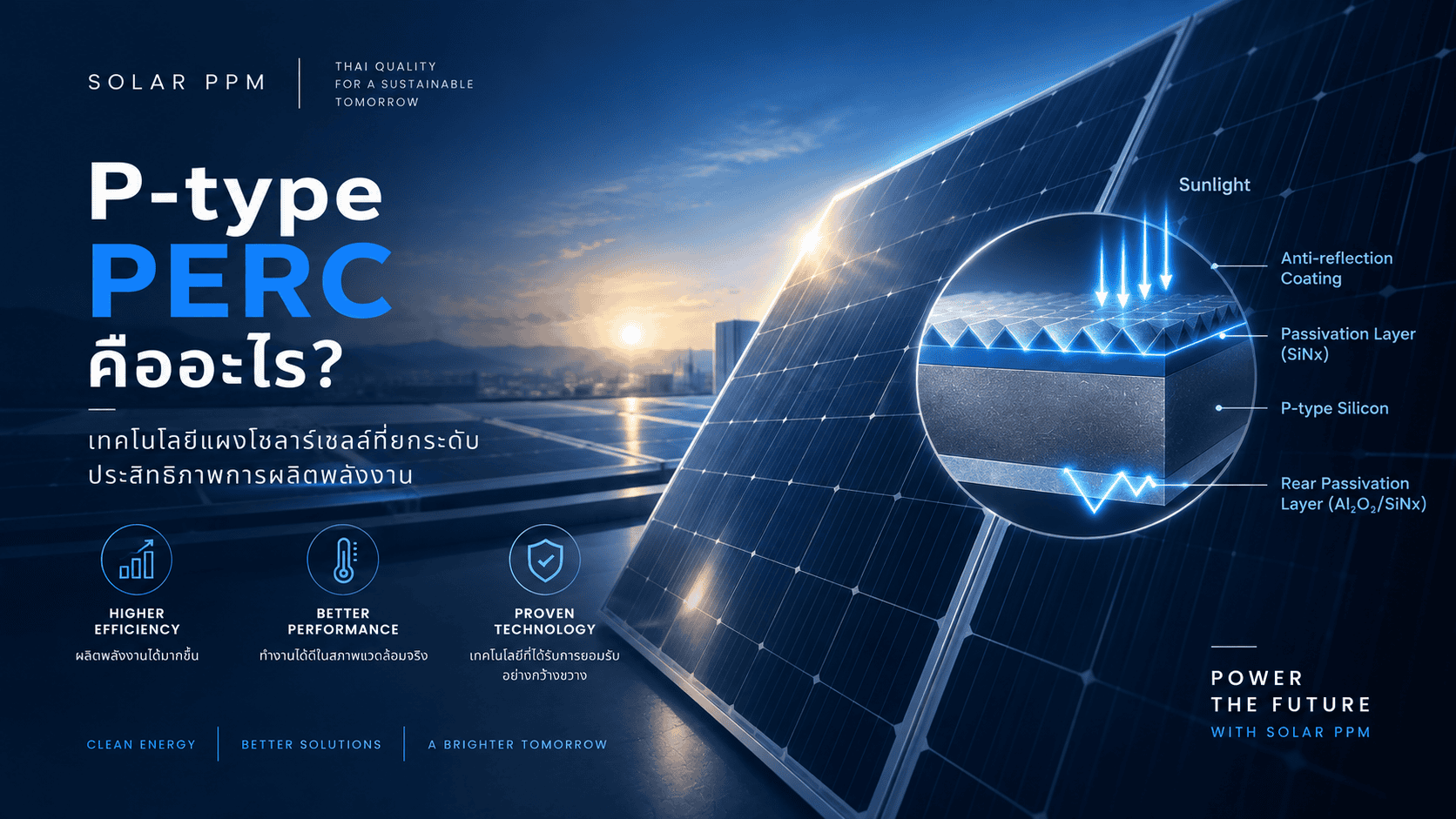
P-type PERC คืออะไร? เทคโนโลยีแผงโซลาร์เซลล์ที่เคยเป็นมาตรฐานสำคัญของอุตสาหกรรม
P-type PERC คืออะไร? เทคโ