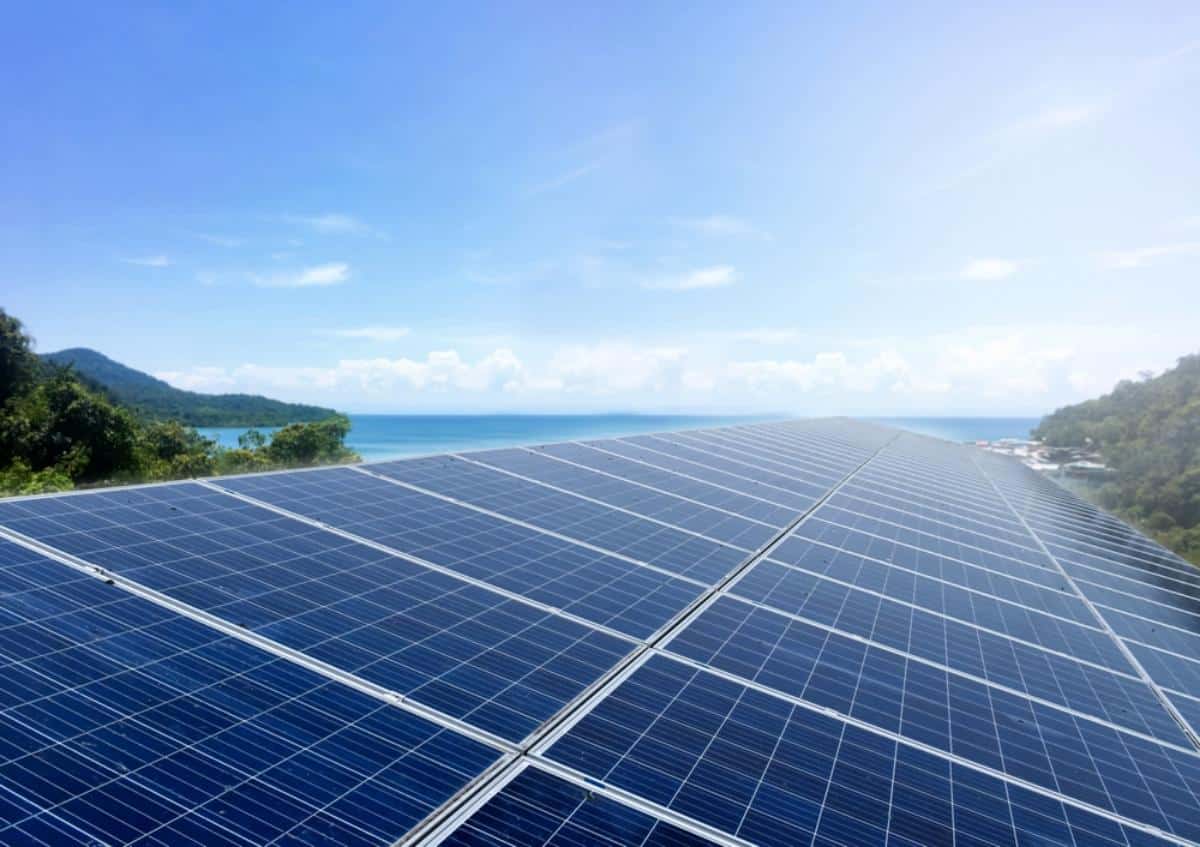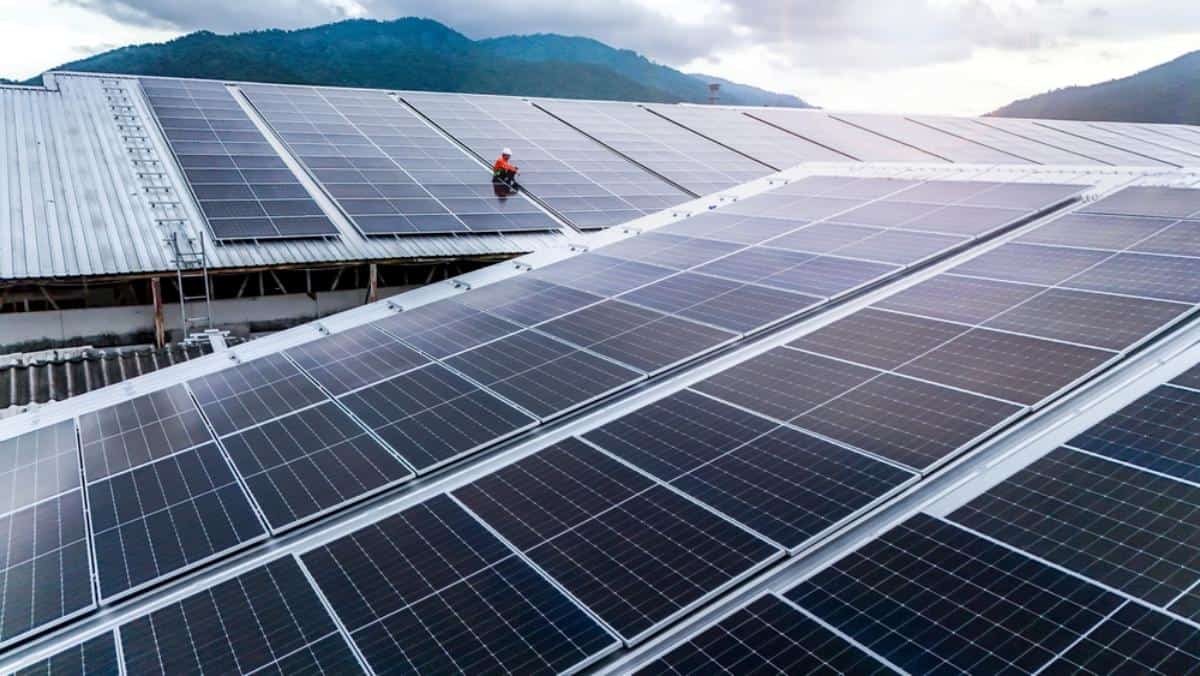
An Inverter is a critical device designed to convert Direct Current (DC), generated by solar panels, into Alternating Current (AC). In simpler terms, it acts as a power converter that transforms solar energy into usable electricity for household appliances.
Inverters are categorized into three primary types:
1. Grid-Tied Inverter
This category is further divided into two main technologies:
- On-Grid Inverter: This system converts electricity from solar panels connected in strings (series), which are then combined in parallel. Consequently, the panels in this configuration are not independent of one another. These are available in both Single-Phase and Three-Phase configurations.
- Micro Inverter: Unlike string inverters, a Micro Inverter is installed on each individual solar panel. This allows for independent power conversion per panel and significantly reduces the requirement for long DC cabling.
2. Off-Grid Inverter
The Off-Grid system generates electricity from solar panels without being connected to the utility’s distribution grid. This system is ideal for remote locations or areas where grid access is unavailable or where the cost of extending transmission lines is prohibitively high.
3. Hybrid Inverter
A Hybrid Inverter is a versatile combination of both on-grid and off-grid technologies. It facilitates energy savings during the day by using solar power directly and integrates with Battery Storage Systems to provide electricity during the night. Effectively, this allows for 24-hour energy self-sufficiency. However, due to the high initial investment costs associated with battery technology, this system is currently less prevalent than standard on-grid solutions.