Rising Electricity Costs: Causes and Impacts
Primary Causes of High Electricity Costs
The increase in electricity expenses can be attributed to several key factors:
- Increased Consumption Patterns: A rise in the number of electrical units used often occurs during periods of extreme heat, leading to increased air conditioning usage, or from the acquisition of additional electrical appliances. These behavioral factors can be mitigated through lifestyle adjustments, such as scheduling air conditioning usage more effectively.
- Defective or Deteriorated Appliances: Homeowners should monitor frequently used appliances—such as air conditioners, televisions, washing machines, and refrigerators—as technical defects or aging components can lead to significant power leakage and higher consumption.
- Rising Energy Source Prices: Currently, the majority of Thailand’s electricity is generated from fossil fuels and coal. As the costs of these resources fluctuate in accordance with global market prices, they remain a primary driver of domestic electricity rate hikes.
Impacts of High Electricity Costs
- Financial Burden and Pressure: Elevated electricity bills directly increase household expenditures and the overall cost of living, potentially leading to higher household debt.
- Economic Consequences: From a business perspective, rising utility costs increase operational overhead, thereby reducing profitability. On a macroeconomic scale, increased household spending on utilities exerts upward pressure on the inflation rate of the entire economic system.
Solutions to Mitigate High Electricity Costs
- Government Subsidies and Price Controls: The public sector plays a crucial role by subsidizing or capping fuel prices, which may surge due to global conflicts, shortages of oil and natural gas, or other geopolitical factors.
- Household Behavioral Adjustments: Simple actions, such as switching off lights when not in use, unplugging devices to prevent standby power loss, and regular maintenance of appliances, significantly contribute to cost reduction.
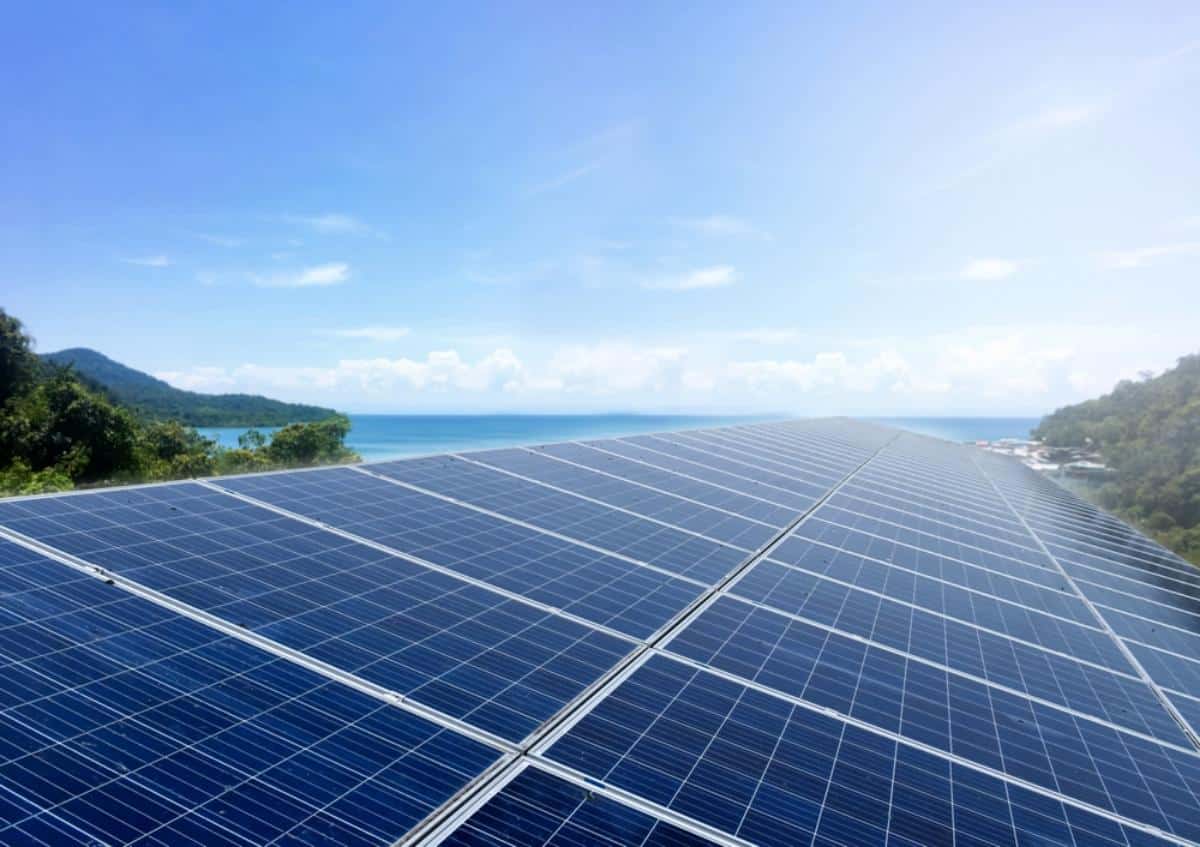
- Transitioning to Clean Energy: Shifting from fossil fuels to renewable energy—specifically solar power—offers a sustainable solution. Utilizing an inexhaustible natural resource not only reduces bills but also decreases carbon emissions. This addresses the “vicious cycle” where global warming increases the demand for cooling, which in turn drives up energy consumption.
Practical steps include installing solar PV systems, using solar-powered lighting, increasing green spaces around the home for natural cooling, and transitioning to electric vehicles (EVs). These initiatives serve as a starting point to resolve high electricity costs while simultaneously combating global warming.