The COVID-19 pandemic has fundamentally reshaped global lifestyles, ushering in the “New Normal.” Beyond the standard practices of mask-wearing and social distancing, there has been a significant shift toward spending more time at home. With the rise of remote work and “Work from Home” (WFH) models, the demand for Smart Home technology has accelerated to enhance residential convenience and efficiency.
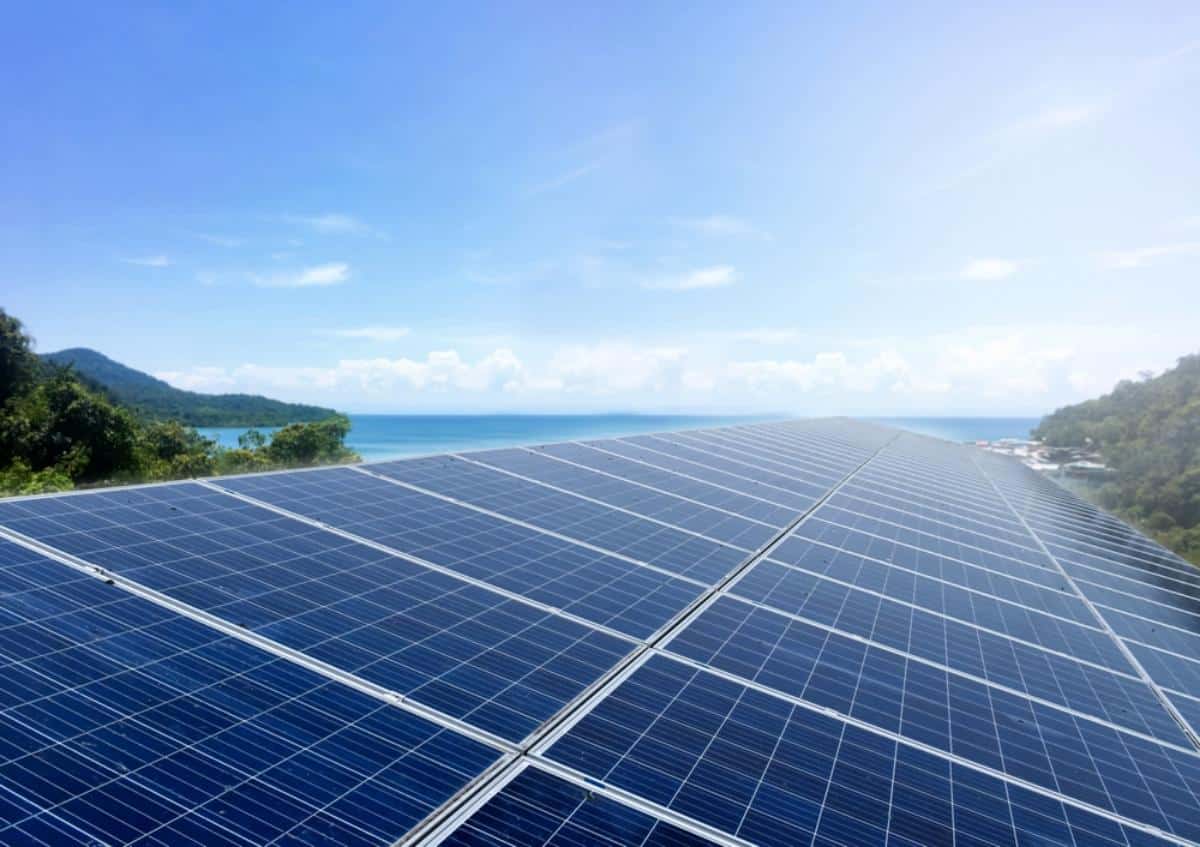
A key pillar of a Smart Home is the integration of clean, renewable energy that is both environmentally friendly and cost-effective. Installing a Solar Rooftop system to generate household electricity is a leading solution in this transition.
While the interest in solar energy existed prior to the pandemic, the necessity of staying home has led to a surge in daytime electricity consumption—and subsequently, higher utility bills. For many who previously used little to no power during the day, solar installation has become a superior “New Normal” strategy. It not only reduces long-term financial burdens but also actively contributes to the reduction of (CO2) emissions traditionally generated by coal and fossil fuel power plants.
The Solar PPM team has compiled 7 essential steps to help you understand and prepare for a successful solar rooftop installation:
1. Analyze Consumption History (3–12 Months of Utility Bills)
Before selecting panel specifications or quantity, you must calculate your actual energy needs. Reviewing your electricity bills from the past 3 months to a year provides a clear baseline, allowing you to determine the appropriate system capacity for your household.
2. Evaluate Daytime vs. Nighttime Usage
Assess your energy consumption during daylight hours compared to the evening. This comparison highlights the potential savings you can achieve, as solar systems primarily offset daytime electricity costs.
3. Calculate Installation Costs
Consider the total investment, which includes site survey fees, installation services, and administrative costs for permit applications.
4. Site Survey and Regulatory Permits
Once your capacity is determined, a site survey is necessary to assess the installation area. Legally, you must submit a permit application to either the Provincial Electricity Authority (PEA) or the Metropolitan Electricity Authority (MEA).
5. Coordinate with the Energy Regulatory Commission (ERC)
The ERC is the primary agency responsible for overseeing and providing consultation on energy business licenses and related regulatory compliance.
6. Execution of Installation
This is a critical phase involving structural work on your roof. It is vital to select a reputable company with expert technicians, high-quality inverters, and solar panels that are best suited for your specific requirements.
7. Operation, Maintenance, and Recycling
Post-installation, basic maintenance—such as periodic cleaning to remove dust and debris—is necessary to maintain peak efficiency. Using clean water and a soft cloth is typically sufficient. A standard solar panel produces electricity for approximately 25 years (and can last up to 30 years with proper care). Once the panels reach the end of their operational lifespan, they should be processed through specialized solar recycling facilities.
If you require professional consultation regarding solar system design for your residence or industrial facility, the Solar PPM team is ready to assist you.
Contact Us:
#SolarPPM #SolarRooftop #Solarcell #โซลาร์เซลล์ #โซลาร์รูฟท็อป