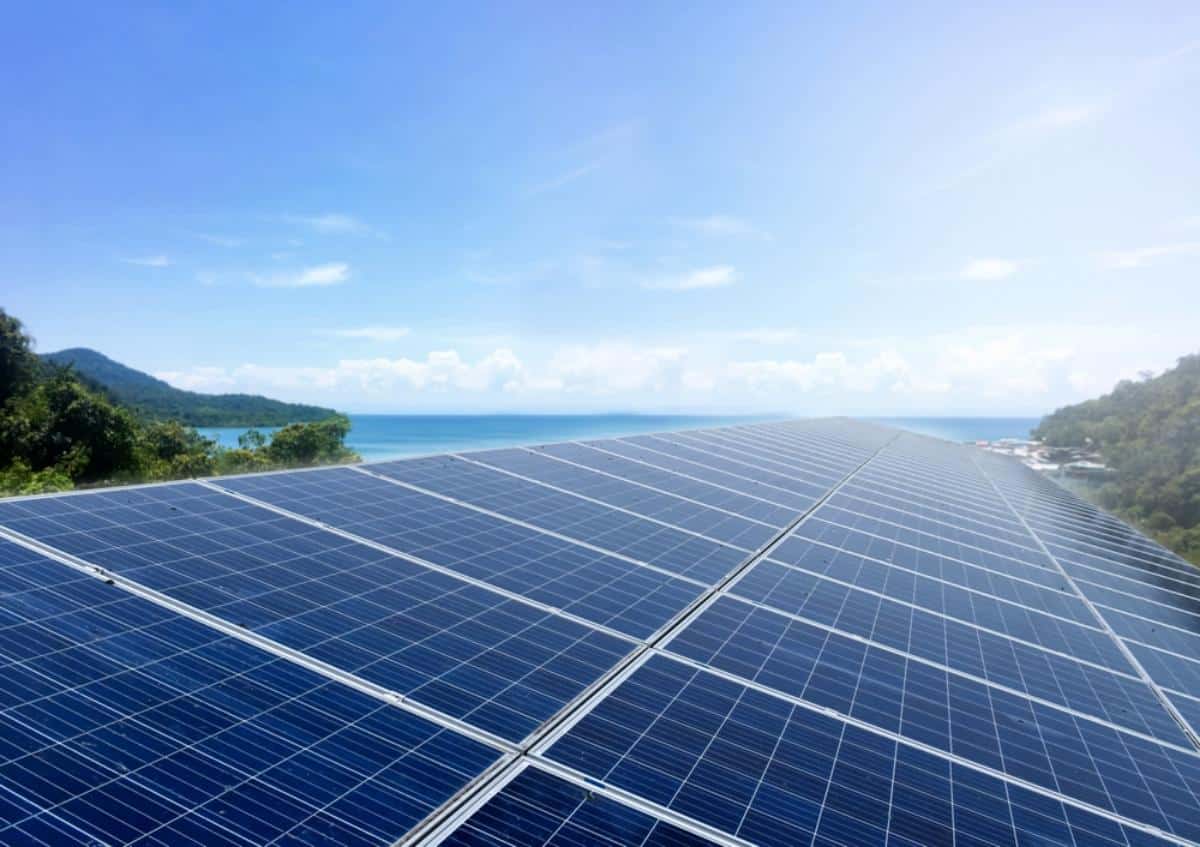
As climate change and global energy challenges continue to intensify, the demand for clean, reliable, and sustainable energy sources has never been greater. Among the many renewable energy solutions available today, solar farms have emerged as one of the most promising options for large-scale power generation. By harnessing the abundant energy of the sun, solar farms offer a long-term solution that benefits both the environment and the economy.
This article explores what solar farms are, how they work, and why they are increasingly seen as a key part of the world’s energy future.
What Is a Solar Farm?
A solar farm, also known as a solar power plant, is a large-scale installation of solar panels designed to generate electricity from sunlight. Unlike rooftop solar systems, which are typically installed on homes or commercial buildings, solar farms are built on open land and can span several hectares. The electricity produced is either supplied directly to nearby facilities or transmitted to the national power grid for wider distribution.
Solar farms are commonly developed by energy companies, investors, or industrial users seeking stable and sustainable power generation. In many regions, they play a critical role in supporting national renewable energy targets.
How Does a Solar Farm Work?
The operation of a solar farm is based on proven and reliable technology.
- Solar Panel Installation
Solar panels are mounted on ground-based structures or tracking systems that are positioned to capture maximum sunlight throughout the day. These panels absorb solar radiation and convert it into direct current (DC) electricity through photovoltaic cells. - Energy Conversion
The DC electricity generated by the panels is sent to inverters, which convert it into alternating current (AC). AC power is the standard form of electricity used in homes, businesses, and industrial facilities. - Power Distribution
Once converted, the electricity is either used on-site or transmitted to the utility grid. Larger solar farms are typically connected to substations that manage voltage levels and ensure stable energy delivery.
Some modern solar farms are also integrated with energy storage systems, allowing excess power generated during the day to be stored and used at night or during peak demand periods.
Key Advantages of Solar Farms
Clean and Environmentally Friendly Energy
Solar farms generate electricity without burning fossil fuels, significantly reducing greenhouse gas emissions and air pollution. This makes them an essential tool in the fight against climate change.
Long-Term Sustainability
Sunlight is a renewable resource that will not run out. Once installed, a solar farm can operate for 25 to 30 years or more, providing consistent energy with minimal environmental impact.
Reduced Energy Costs Over Time
While the initial investment for a solar farm can be substantial, operating costs are relatively low. Over time, solar farms help stabilize electricity prices and reduce reliance on imported fuels.
Scalability and Flexibility
Solar farms can be developed in various sizes, from small community projects to utility-scale installations producing hundreds of megawatts. This flexibility makes them suitable for diverse energy needs.
Economic Benefits
Solar farm development creates jobs in engineering, construction, operation, and maintenance. It also encourages investment in local communities and renewable energy infrastructure.
Future Trends in Solar Farm Development
The future of solar farms looks promising as technology continues to advance. Improvements in solar panel efficiency, inverter performance, and energy storage systems are making solar farms more productive and cost-effective than ever before.
Government policies and incentives are also playing a crucial role. Many countries are offering tax benefits, feed-in tariffs, and renewable energy targets that encourage solar farm investment. In addition, hybrid systems that combine solar power with battery storage or other renewable sources are becoming increasingly common.
Land use innovation is another growing trend. Floating solar farms, agricultural solar (agrivoltaics), and dual-use projects allow land to be used efficiently while generating clean energy.
Conclusion
Solar farms represent a powerful and practical solution to the world’s growing energy needs. By producing clean electricity on a large scale, they help reduce carbon emissions, enhance energy security, and support sustainable economic growth.
As technology improves and awareness of environmental responsibility increases, solar farms are expected to play an even greater role in shaping the future of global energy systems. Investing in solar farm development today is not only a smart business decision—it is a meaningful step toward a cleaner, more sustainable future for generations to come.