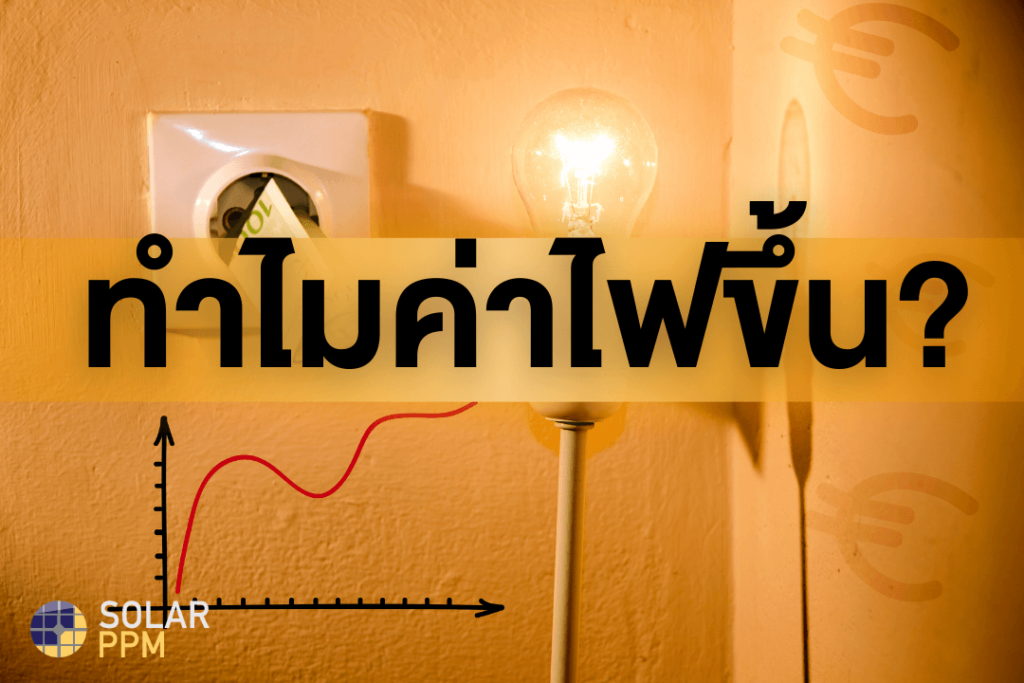
Why Are Electricity Bills Increasing?
Have you ever wondered why your electricity bill continues to rise even when your usage habits seem unchanged? Understanding the underlying causes of increasing electricity costs is essential for adapting to the situation and managing your expenses effectively. Here are the key factors contributing to higher electricity bills
1. The Correlation Between Consumption and Cost
Naturally, as electricity consumption increases, so does the total cost. Expanding your daily energy usage—such as purchasing additional electrical appliances or utilizing high-wattage devices—is a direct cause of rising bills.
2. The Increase in the Ft Rate
Ft stands for Fuel Adjustment Charge (at the given time). This represents the fluctuating cost of fuels and energy used in electricity generation, such as diesel, fuel oil, and natural gas. Since Thailand relies heavily on imported energy, the Ft rate varies according to global market prices. Consequently, an increase in the global fuel price leads to a higher Ft rate and a subsequent rise in your electricity bill.
3. Service and Distribution Charges
The costs associated with the procurement and distribution of electricity, as regulated by the Energy Regulatory Commission, also play a significant role in determining the final price of electricity.
4. Seasonal and Weather Factors
Extreme weather conditions—whether excessively hot or cold—impact the performance and usage frequency of electrical appliances. For example, during hot weather, air conditioners must work harder to maintain low temperatures, leading to higher energy consumption and increased costs.