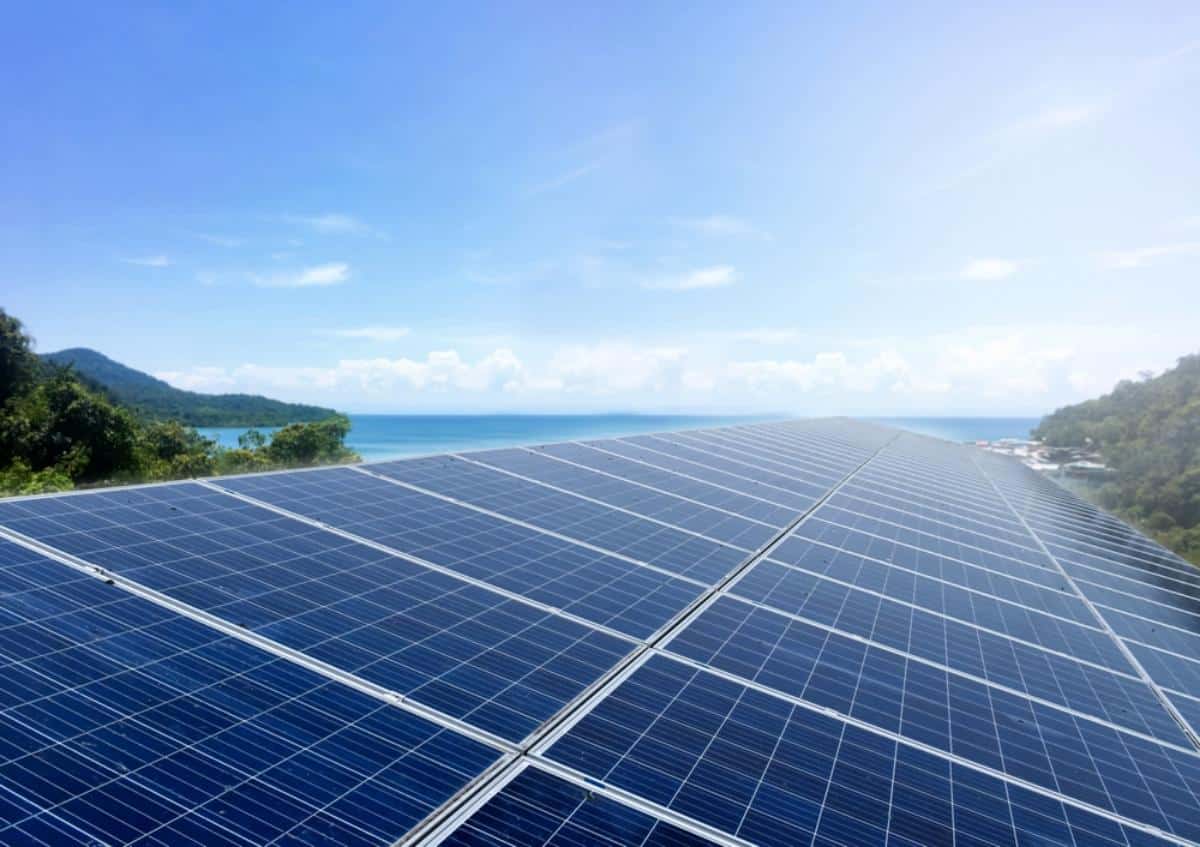
When discussing solar energy, Photovoltaic (PV) technology stands as a cornerstone for converting sunlight into electricity. However, not every system is suitable for every application. Selecting the appropriate configuration can significantly enhance efficiency and optimize cost savings. This article explores the various Solar PV system types, highlighting their respective advantages and disadvantages to assist in your decision-making process.
Types of Solar PV Systems?
1. Off-Grid System
An Off-Grid system operates independently of the public utility grid. It is ideal for remote locations without grid access or for those seeking complete energy autonomy.
Advantages:
- Independence from Utilities: Users rely entirely on renewable solar energy, eliminating concerns regarding rising electricity tariffs.
- Flexibility: Can be installed in remote or isolated areas where grid infrastructure is unavailable.
Disadvantages:
- High Initial Investment: Significant capital is required for battery storage systems to ensure a continuous power supply.
- Storage Limitations: Energy consumption must be managed systematically due to the finite capacity of the battery bank.
2. On-Grid System
An On-Grid system is connected to the public utility network, allowing users to export excess energy back to the grid and draw power when solar production is insufficient.
Advantages:
- Cost Reduction and Revenue Generation: Excess energy can be sold back to the authorities (Feed-in Tariff). For the business sector, this system offers a rapid payback period of 3–5 years and can reduce electricity expenses by millions of baht.
- Lower Hardware Costs: Does not require expensive battery storage, as the utility grid acts as a backup during non-productive hours.
Disadvantages:
- Grid Dependency: In the event of a utility grid failure or blackout, the system will automatically shut down for safety reasons.
3. Hybrid System with Battery Backup
A Hybrid system integrates the features of both On-Grid and Off-Grid systems. It remains connected to the utility grid but includes a battery backup for use during power outages or non-productive periods.
Advantages:
- Energy Security: Provides a reliable power supply from batteries during nighttime or grid failures.
- Reduced Grid Reliance: Mitigates risks associated with utility issues such as voltage fluctuations or blackouts.
Disadvantages:
- Higher Costs: The total system price is elevated due to the addition of batteries and specialized hybrid inverters.
- Maintenance Requirements: Batteries require periodic monitoring to ensure optimal health and longevity.
4. Battery Energy Storage System (BESS)
BESS utilizes advanced battery technology to store electrical energy and discharge it when required. It is a critical component in managing the intermittent nature of solar energy generation.
4.1 Operational Mechanics of BESS
- Energy Charging: BESS stores surplus electricity generated by solar panels during peak sunlight hours (daytime).
- Energy Discharging: During nighttime or overcast conditions, the stored energy is discharged to power households or businesses.
- Grid Management: BESS can optimize energy usage by drawing from the grid during low-tariff periods or exporting stored surplus back to the grid.
4.2 Advantages of BESS
- Increased Flexibility: Enables solar energy usage regardless of sunlight availability.
- Cost Optimization: Reduces electricity bills by utilizing stored energy during peak tariff periods (Peak Shaving).
- Enhanced Stability: Smooths out the fluctuations in solar production, ensuring a stable power supply for sensitive equipment.
4.3 Battery Technologies in BESS
- Lithium-Ion Batteries: The industry standard due to high energy density and long cycle life.
- Lead-Acid Batteries: A lower-cost alternative, though characterized by lower energy density and shorter lifespans.
- Sodium-Ion Batteries: An emerging technology offering potential for cost reduction and improved environmental sustainability.
4.4 Installation and Management
- Strategic Placement: Systems are typically installed in accessible, secure locations alongside solar infrastructure.
- Intelligent Control: A Charge Controller or Battery Management System (BMS) ensures efficient and safe energy distribution.
4.5 Key Considerations
- Capital Expenditure: High initial costs for batteries and sophisticated maintenance.
- Cycle Life: The lifespan and depth of discharge affect the long-term efficiency of the system.
- Upkeep: Requires periodic technical inspections to maintain peak performance.
4.6 Commercial and Industrial Applications
- Grid Stabilization: Large-scale BESS units assist in stabilizing the national grid and supporting other renewables like wind and hydro.
Operational Efficiency: Facilitates complex energy management across multiple sources for factories and large enterprises.
Conclusion
BESS technology is a vital enabler for making solar energy more convenient and reliable by ensuring energy availability around the clock. Choosing the right Solar PV System is paramount to maximizing efficiency and ROI. Your decision should be based on factors such as grid accessibility, specific energy demands, and budgetary considerations.