


Essential Knowledge and How to Choose Solar Batteries for Long-term Value
Key takeaway / Summary of topic answer A solar battery is the heart of any system that requires energy storage for later use, especially in
Key takeaway
Solar PPA is a model where a service provider fully invests in the solar cell installation. Factories then purchase the generated electricity at a lower per-unit rate than the provincial/metropolitan electricity authority without any upfront capital expenditure. This is ideal for factories seeking immediate cost reduction, maintaining liquidity, avoiding additional debt, and requiring stable long-term energy cost predictability. However, organizations should carefully evaluate electricity usage patterns, installation space, and contract terms before deciding, ensuring alignment with their financial strategies and business plans.
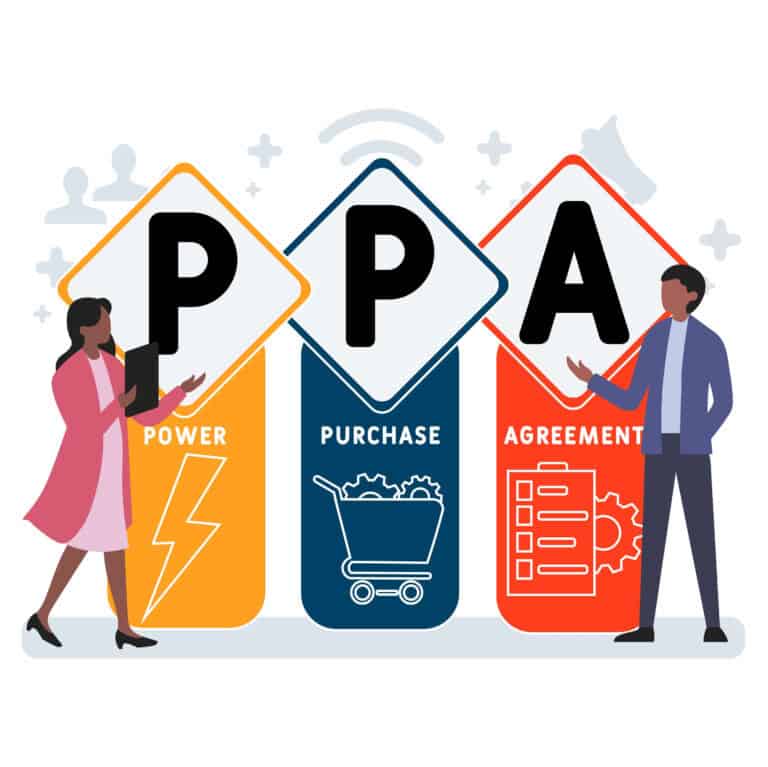
In an era of volatile energy costs and continuously rising electricity bills, many entrepreneurs are seeking alternative energy solutions. One of the most discussed models is Solar PPA, or solar cell installation with zero investment.
But what exactly is Solar PPA? Which types of factories is it suitable for? And how does it differ from self-investment? This article will guide you through the Solar PPA model from a business perspective, explaining why factories should understand it before committing to this solar solution.
PPA (Power Purchase Agreement) is an electricity sale contract between a solar project owner and an energy consumer. In the case of a factory, the service provider invests in the entire system installation on the factory’s premises, and the factory purchases the generated power at a pre-agreed price.
The core components of a Solar PPA for factories include:
The key takeaway is that the factory does not own the equipment but benefits from reduced electricity costs immediately. Furthermore, all risks regarding investment, maintenance, and generation efficiency rest solely with the service provider.
Before choosing an installation model, businesses should understand the primary differences to ensure suitability and cost-effectiveness.
Self-Investment
Solar PPA Service for Factories
Choosing between self-investment and Solar PPA isn’t just about ownership; it’s about cash flow, debt liabilities, financial flexibility, and long-term cost planning. If a factory views energy as a strategic cost to be managed, Solar PPA is an essential option to understand.
Benefits of Solar PPA for Factories:
For factories that must prioritize capital for machinery or expansion, the PPA model is often more strategically sound.
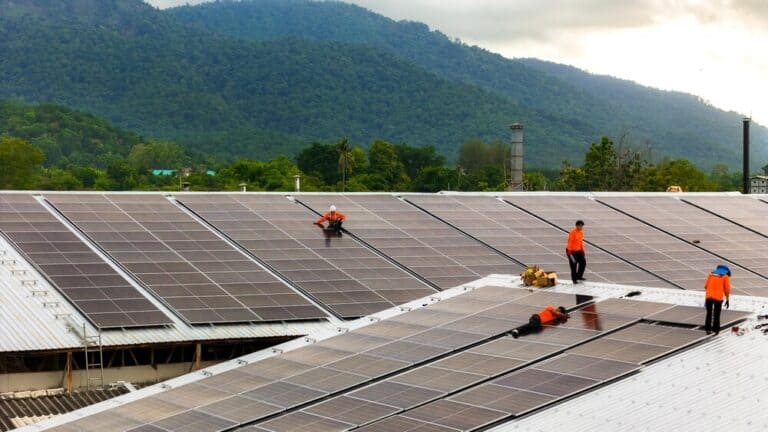
Beyond being “free,” one must consider the risk structure and long-term financial impact.
Solar PPA is a model that helps factories cut costs without heavy investment. It offers financial flexibility and stable long-term energy costs.
Install Solar Cells Without Impacting Cash Flow with Solar PPM Reducing energy costs doesn’t always require a massive investment. If your factory wants to cut bills immediately with zero upfront cost, Solar PPM’s Solar PPA service is designed specifically for the industrial sector.
Contact Us:
A: Solar PPA is an electricity purchase agreement where a provider invests in and maintains the system on your site, selling you the power at a pre-agreed rate. The main difference is the financial structure: self-installation requires CAPEX and ownership responsibilities, while PPA requires zero upfront cost and transfers technical risks to the provider.
A: Yes, provided there is consistent daytime usage and sufficient roof space. However, feasibility depends on whether the generation volume allows the provider to offer a competitive rate.
A: Typically 15–25 years. This duration allows providers to recover their investment while offering factories stable, lower-than-grid electricity prices.
A: You must review the contract terms carefully. Options usually include transferring the contract to a new owner/tenant, renegotiating terms, or paying a specified termination fee. It is vital to discuss these contingencies with the provider beforehand.
Key takeaway / Summary of topic answer A solar battery is the heart of any system that requires energy storage for later use, especially in

Key takeaway / Summary of topic answer The TOU (Time-of-Use) tariff is an electricity billing method based on actual usage periods, divided into On-Peak (daytime
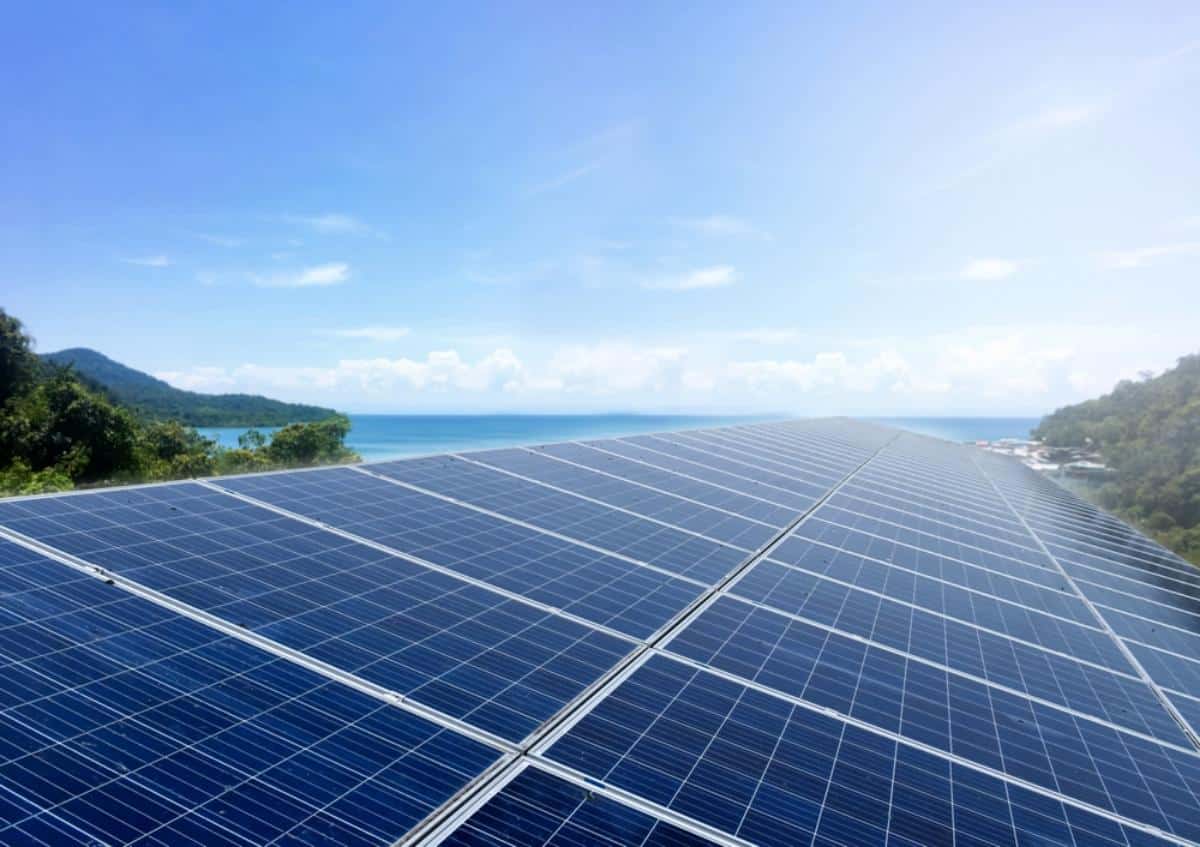
การเลือกรูปแบบโซล่าเซลล์ที่ตอบโจทย์คือการจับคู่เทคโนโลยีให้สอดคล้องกับบริบทการใช้งานและเป้าหมายการลงทุน โดยปัจจุบันแผง Monocrystalline
