Blog

In-Depth Guide: Solar Panel Types and System Sizing for Factories and Homes

In-Depth Guide: Solar Panel Types and System Sizing for Factories and Homes

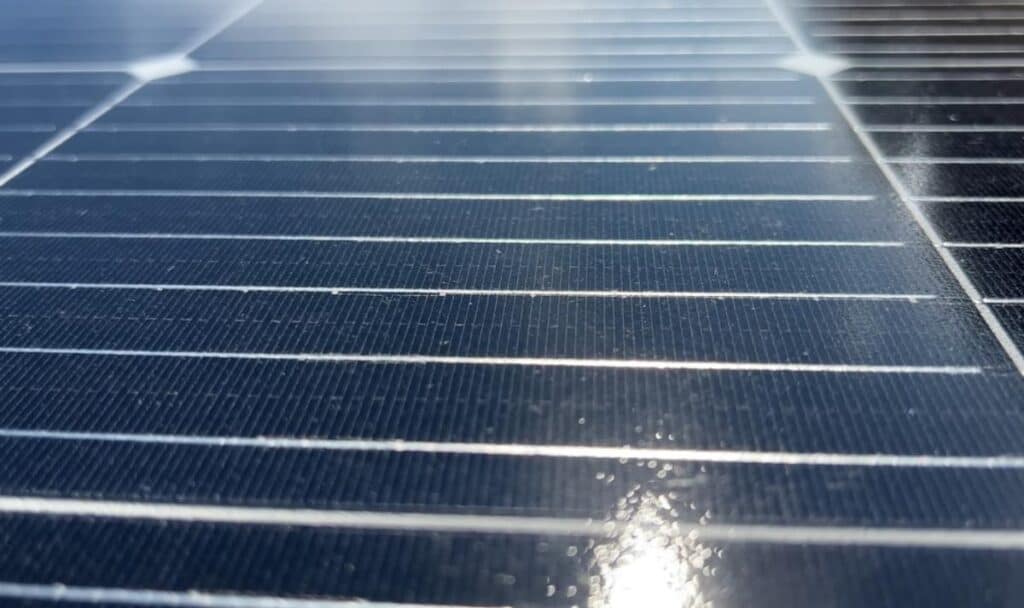
ตัวอย่างแผงโซล่าเซลล์ใช้ในโรงงานแบบ Monocrystalline

Key takeaway / Summary of topic answer

Maximizing the value of a solar installation depends on more than just the price; it requires selecting the right panel type and system size that aligns with actual electricity consumption patterns. Monocrystalline panels are the most cost-effective choice for limited spaces due to their high efficiency.

Table of Contents

When determining system size, daytime energy usage is the primary metric. Generally, residential systems range from 3–10 kW, while industrial facilities should start at 20 kW or more to achieve commercial viability and a rapid payback period of 3–5 years. Investing in a precisely engineered system not only reduces electricity bills by 30–40% immediately but also prepares organizations for ESG standards and long-term sustainable operations.

Solar Panel Types: Why Selection Matters

Selecting the right panel is akin to choosing the right engine for a vehicle. Proper alignment with sunlight conditions and available space ensures peak performance and longevity.

1. Monocrystalline Silicon

Produced from high-grade pure silicon, identifiable by its uniform dark cells with clipped corners.

  • Peak Efficiency: Offers the highest conversion rate, performing exceptionally well even on overcast days.
  • Space Optimization: High efficiency per square meter makes it ideal for rooftops with limited space requiring high wattage.
  • Durability: Features the longest lifespan (over 25 years) and maintains performance in high-temperature environments.

2. Polycrystalline Silicon

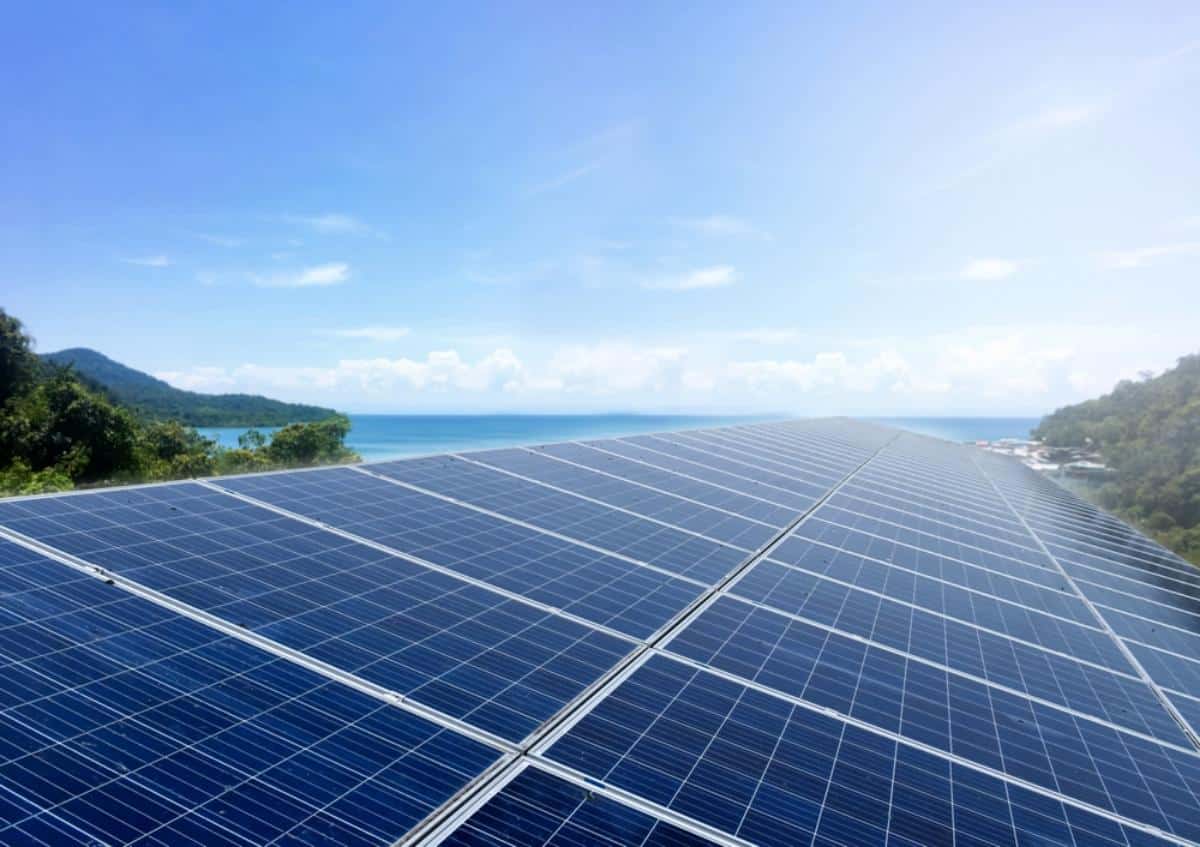
Made from multiple silicon crystals melted together, recognizable by its blue speckled appearance.

  • Cost-Effectiveness: Lower production costs make this a budget-friendly option for large-scale projects.
  • Ideal for Expansive Areas: Suitable for large factory rooftops or solar farms where space is not a constraint.
  • Considerations: Lower efficiency (13–16%) and requires more installation space to match the output of Monocrystalline panels.

3. Thin Film

Created by depositing photovoltaic material onto a substrate like glass or plastic.

  • Lightweight & Flexible: Can be installed on curved surfaces or structures with weight limitations.
  • High Heat Tolerance: Performance remains stable even as panel temperatures rise.
  • Considerations: Lower efficiency (7–13%) necessitates a large installation area, making it less common for residential use.

Selecting the Optimal System Size

For Residential Use

Focuses on offsetting the daytime load from air conditioning and appliances.

  • Small to Medium Homes (3–5 kW): Ideal for monthly bills of 2,500–5,000 THB. Typically utilizes 5–10 panels.
  • Large Homes (5–10 kW): For bills exceeding 5,000–10,000 THB, especially those with multiple AC units or EV Chargers. Typically utilizes 10–20 panels.

For Industrial Use

Scale increases according to manufacturing capacity and machinery demands.
  • SMEs / Medium Factories (10–50 kW): Suitable for offices, showrooms, or small production lines.
  • Large Factories (50 kW – 100 kW+): Tailored for heavy manufacturing, cold storage, or shopping malls. These systems demand high-efficiency, durable panels capable of decades of heavy use.

Optimizing Industrial Solar Sizing

  1. Load Profile Analysis: Our engineers analyze hourly energy consumption (specifically 09:00 – 16:00) to match the system size with solar availability, preventing excess energy waste.
  2. Commercial Viability: Industrial systems now offer an average ROI of 3–5 years. With a lifespan of 25+ years, factories enjoy over 20 years of free electricity after the initial payback.

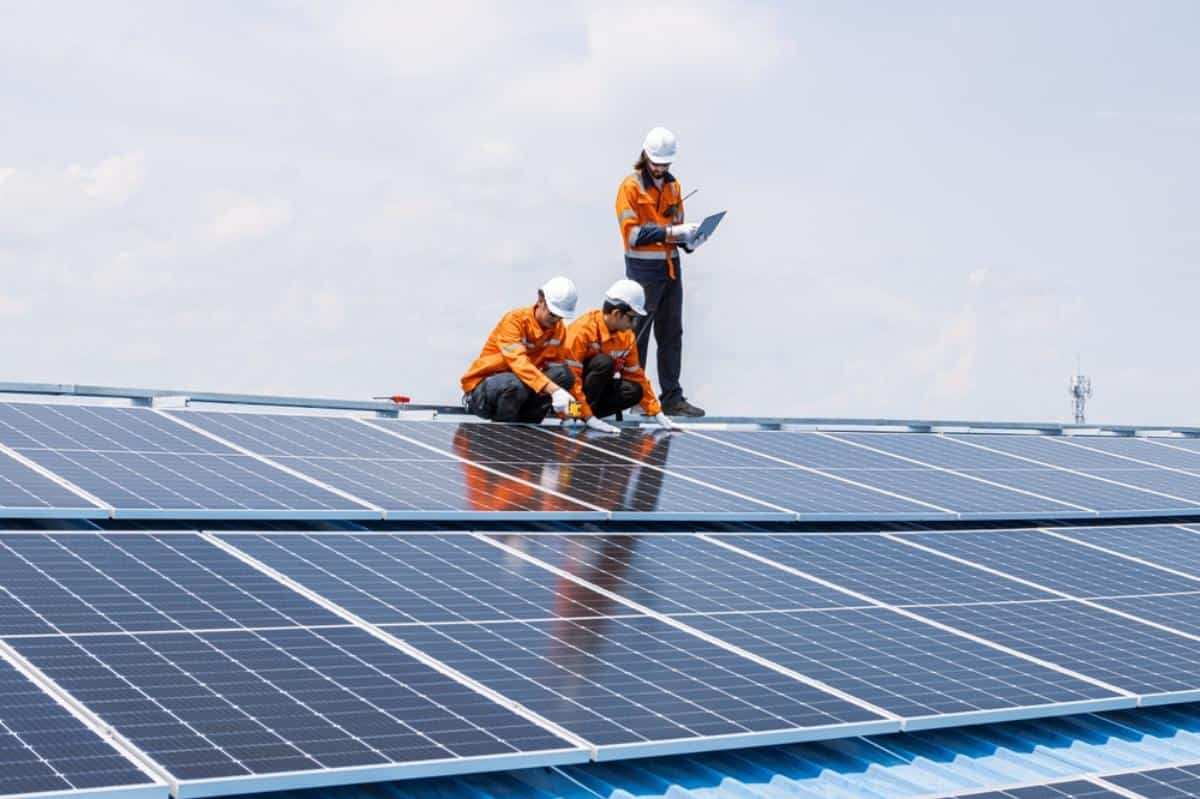
ตัวอย่างการติดตั้งแผงโซล่าเซลล์ใช้ในโรงงาน

The Advantages of Partnering with Solar PPM

Solar PPM is your dedicated energy partner, offering integrated solutions from self-investment models to Solar PPA (free installation) to help you achieve ESG standards and reduce costs by 30–40%.

  • Manufacturer & Assembler: Thai-made panels with international standards, ensuring superior quality control.
  • Professional Engineering: Managed by certified experts to ensure high-level safety and structural standards.
  • Utility-Scale Expertise: Proven track record in large-scale industrial projects.
  • End-to-End Service: Managing site surveys, engineering design, legal permitting, and maintenance.

Contact us today for a free site survey and professional energy assessment.

  • Tel: 02-628-6100 ext. 801
  • Email: epc1@solarppm.com
  • Line: @solarppm

Frequently Asked Questions (FAQs)

  • Q: What are the standard panel sizes?
    • A: Current standard panels range from 400W to over 600W per module.
  • Q: Why is system sizing so critical?
    • A: Undersized systems underperform in savings, while oversized systems without batteries waste energy, extending the payback period. Precise sizing ensures a 3–5 year ROI.
  • Q: Why is Monocrystalline better than Polycrystalline?
    • A: It offers 20%+ higher efficiency, better low-light performance, and a lower degradation rate, providing the best long-term value for limited installation areas.
IMG_2533 - Copy

ติดตั้งโซล่าเซลล์โรงงาน ช่วยลดหย่อนภาษี พร้อมรับส่วนลด 200,000.-

ติดตั้งโซล่าเซลล์โรงงาน ช่วยลดหย่อนภาษี พร้อมรับส่วนลด 200,000.- ราชกิจจานุเบกษา ประกาศ พระราชกฤษฎีกา ยกเว้นภาษีเงินได้ให้แก่บุคคลธรรมดา / บริษัท / นิติบุคคล สำหรับค่าซื้ออุปกรณ์ และค่าติดตั้งโซล่าเซลล์ ลดหย่อนไม่เกิน 2 แสนบาท รัฐบาลมีนโยบายสนับสนุนให้ภาคครัวเรือนและภาคธุรกิจหันมาใช้พลังงานสะอาดมากขึ้น โดยการมอบสิทธิประโยชน์ทางภาษีสำหรับการติดตั้งระบบผลิตไฟฟ้าพลังงานแสงอาทิตย์ (Solar Rooftop) ดังนี้ 1. สำหรับบุคคลธรรมดา (บ้านพักอาศัย)

Read More
แบตเตอรี่โซล่าเซลล์เก็บพลังงานไฟฟ้าที่ผลิตจากแผงโซล่าเซลล์ไว้ในรูปแบบพลังงานเคมี เพื่อนำกลับมาใช้งาน

ข้อควรรู้และวิธีเลือกแบตเตอรี่โซล่าเซลล์ให้คุ้มค่าระยะยาว #2

Key takeaway / Summary of topic answer แบตเตอรี่โซล่าเซลล์คือหัวใจสำคัญของระบบที่ต้องการเก็บพลังงานไว้ใช้ภายหลัง โดยเฉพาะในระบบ Hybrid และ Off-Grid การเลือกแบตเตอรี่โซล่าเซลล์แบบไหนดี ควรพิจารณาจากกำลังไฟที่ต้องใช้จริง อายุการใช้งาน เทคโนโลยีแบตเตอรี่ และความคุ้มค่าระยะยาว ไม่ใช่ดูแค่เพียงราคาเริ่มต้นเท่านั้น เพราะราคาแบตเตอรี่โซล่าเซลล์แต่ละประเภทต่างกันตามประสิทธิภาพและรอบการใช้งาน หากเลือกอย่างเหมาะสมจะช่วยลดต้นทุนไฟฟ้าและเพิ่มเสถียรภาพพลังงานได้อย่างมีประสิทธิภาพ Table of Contents แบตเตอรี่โซล่าเซลล์ เป็นส่วนสำคัญที่ช่วยเพิ่มประสิทธิภาพในการใช้พลังงานแสงอาทิตย์ได้อย่างเต็มที่

Read More
บริษัทกำลังคำนวณต้นทุนและพิจารณาความคุ้มค่าของการใช้มิเตอร์ TOU ค่าไฟ

ใช้อัตราค่าไฟ TOU ดีไหม ? เช็กก่อนเปลี่ยนเพื่อลดต้นทุนธุรกิจ #2

Key takeaway / Summary of topic answerค่าไฟ TOU (Time-of-Use Tariff) คือการคิดอัตราค่าไฟฟ้าตามช่วงเวลาการใช้งานจริง ซึ่งแบ่งออกเป็นช่วง On-Peak ในวันธรรมดาช่วงกลางวันและช่วง Off-Peak ในเวลากลางคืนและวันหยุด การเปลี่ยนมาใช้มิเตอร์ TOU จึงเป็นกลยุทธ์สำคัญที่ช่วยให้ผู้ประกอบการและโรงงานอุตสาหกรรมสามารถบริหารจัดการต้นทุนพลังงานได้มีประสิทธิภาพมากขึ้น โดยเฉพาะธุรกิจที่สามารถโยกย้ายการผลิตไปในช่วงเวลาค่าไฟถูกได้ แต่สำหรับธุรกิจที่ไม่สามารถเลี่ยงการใช้ไฟช่วงกลางวันได้ การติดตั้งโซล่าเซลล์ถือเป็นอีกหนึ่งทางเลือกสำคัญที่จะเข้ามาช่วยตัดต้นทุนไฟฟ้าหน่วยที่แพงที่สุดในช่วง On-Peak ทิ้งไป ทำให้ธุรกิจประหยัดค่าใช้จ่ายได้สูงสุดโดยไม่ต้องปรับเปลี่ยนเวลาการทำงาน

Read More
PDPA Icon
Privacy Preferences

Allow All
Manage Consent Preferences
  • Always Active

Save