Why Solar Energy Is a Smart Investment for Cold Storage and Refrigeration Businesses
Energy costs and long-term operational efficiency have become critical concerns for businesses across all industries—especially for cold storage and refrigeration facilities. These businesses rely heavily on electricity to maintain stable temperatures around the clock, making energy consumption one of their largest operating expenses. As electricity prices continue to rise and environmental regulations become stricter, solar energy has emerged as a practical and cost-effective solution for cold storage operators looking to reduce costs while improving sustainability.
High Energy Demand in Cold Storage Operations
Cold storage facilities are designed to operate 24 hours a day, seven days a week. Whether preserving fresh produce or frozen goods, temperature control is essential and non-negotiable. Standard cold rooms typically operate at temperatures between 0°C and 10°C. These environments are suitable for storing fruits, vegetables, and other products that require cool—but not freezing—conditions. On the other hand, frozen storage facilities operate at temperatures below -18°C and are used for meat, seafood, and long-term food preservation. Maintaining such low temperatures requires continuous power supply, leading to significantly higher electricity bills compared to other industrial operations. This constant energy demand makes cold storage businesses particularly vulnerable to rising energy costs. Solar power can directly address this challenge by supplying clean electricity during daylight hours, when solar generation is at its peak and electricity tariffs are often highest.
Reducing Electricity Costs with Solar Power
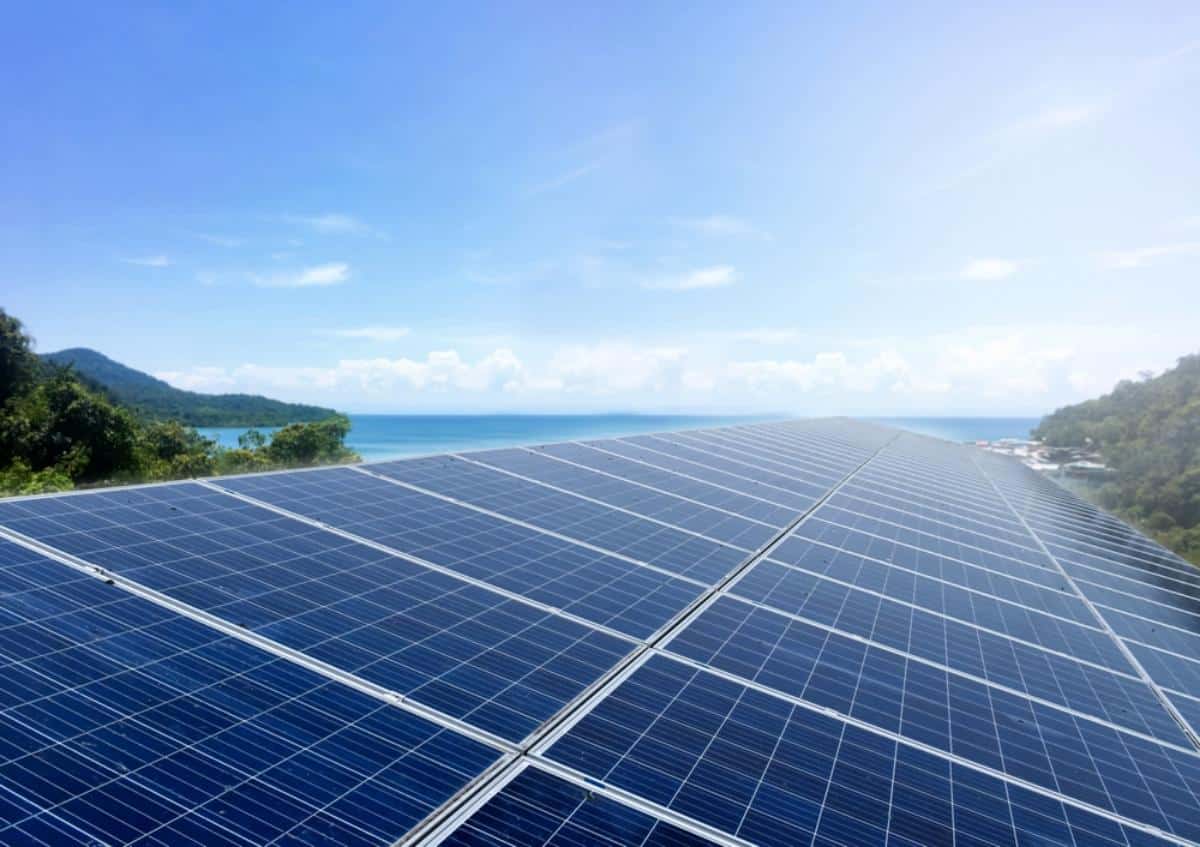
One of the most compelling reasons to install solar panels is the immediate reduction in electricity expenses. Solar energy allows cold storage facilities to generate their own power, reducing dependence on the grid and lowering monthly utility bills. During the daytime, when solar panels produce the most energy, refrigeration systems can draw power directly from the solar system. This significantly cuts peak electricity consumption and helps stabilize long-term operating costs. Over time, these savings can be substantial, especially for facilities with large roof areas that can accommodate high-capacity solar installations.
A Strong Return on Investment
Although the upfront cost of installing a solar power system may seem high, it is best viewed as a long-term investment rather than an expense. For cold storage and industrial refrigeration businesses, the return on investment is typically fast due to consistently high energy usage.
In many cases, businesses can recover their investment within just 2–3 years, thanks to reduced electricity bills and government incentives. In Thailand, for example, BOI (Board of Investment) privileges can offer corporate income tax reductions of up to 50%, accelerating payback even further. With a system lifespan of 25–30 years, solar panels continue generating savings long after the initial investment has been recovered.
Supporting Environmental Goals and Compliance
Beyond financial benefits, solar energy plays a crucial role in reducing environmental impact. By switching to solar power, cold storage businesses can significantly lower greenhouse gas emissions associated with electricity consumption from fossil fuels.
This shift supports broader sustainability goals, including carbon tax readiness, compliance with CBAM (Carbon Border Adjustment Mechanism), and long-term Net Zero strategies. For businesses involved in export or international supply chains, reducing carbon footprint is increasingly important—not only for regulatory compliance but also for maintaining competitiveness and brand credibility.
Enhancing Business Image and Future Readiness
Installing solar panels also strengthens a company’s reputation as a responsible and forward-thinking business. Customers, partners, and investors are paying closer attention to environmental performance, and renewable energy adoption sends a strong signal of commitment to sustainability.
Moreover, as energy regulations tighten and electricity costs become more volatile, businesses that invest early in renewable energy are better prepared for future changes. Solar energy provides greater energy security and predictability in an increasingly uncertain energy landscape.
Conclusion
For cold storage and refrigeration businesses, solar energy is more than just an alternative power source—it is a strategic investment. By reducing electricity costs, delivering fast returns, supporting environmental compliance, and enhancing long-term sustainability, solar power offers clear and measurable benefits.
If you are considering installing a solar energy system for your cold storage or industrial refrigeration facility, Solar PPM is ready to help. Our team of solar energy experts provides tailored consultations and system designs to ensure maximum efficiency and return for your business.
Interested in learning more or receiving a personalized solar solution? Click here to consult with the Solar PPM team and take the first step toward smarter energy management. ☀️