Blog

7 Essential Components of a Solar Cell System for Installation

Key takeaway

For organizations seeking to reduce electricity costs, understanding the functions of the seven primary components ranging from solar panels and inverters to mounting structures, protection systems, batteries, monitoring systems, and energy management devices is crucial. This knowledge helps prevent minor technical issues and mitigates safety risks. Opting for a solar power set designed by experts is a more cost-effective choice than purchasing individual components separately.

Table of Contents

Have you ever wondered why some solar installations offer great value while others face endless recurring issues? Often, the problem isn’t a lack of sunlight, but rather the selection of sub-standard equipment or a mismatched configuration where components fail to work in harmony. For businesses or factories looking at a 20–25 year investment, understanding the function of each component is the key to maximizing utility and ensuring long-term system health.

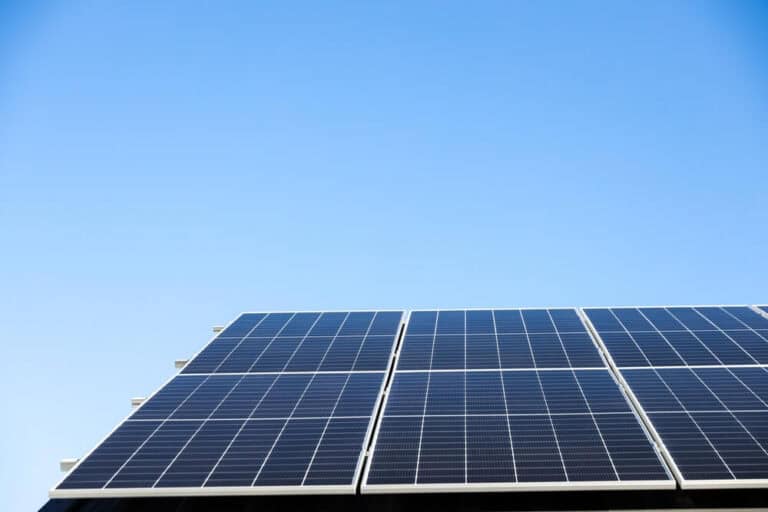
Solar Panel อุปกรณ์โซล่าเซลล์ที่ทำหน้าที่รับแสงแดด

The 7 Core Components of a Solar System

To ensure a stable and reliable solar power system, these seven core components must work together seamlessly:

1.Solar Panels

Solar panels capture sunlight and convert it into Direct Current (DC) electricity. As the component exposed to the harshest conditions constant sun and rain selecting high-quality panels with superior heat tolerance is essential for maintaining stable power output even on extremely hot days.

2.Inverter

Since panels produce DC electricity but most buildings and factories operate on Alternating Current (AC), the inverter acts as the bridge that converts DC to AC. An inefficient inverter can lead to significant energy loss during this conversion process.

3.Mounting System

Often overlooked, the mounting structure must support the weight of the panels for over 20 years. Especially for factory rooftops, the structure should be evaluated based on:

  • Corrosion-resistant materials.
  • Wind load capacity.
  • Designs tailored for metal sheets, concrete, or rooftops. Sub-standard structures can damage the roof and increase safety hazards.

4.Protection & Control System

A robust system must include automatic circuit breakers, surge protection devices (SPD), and proper grounding to prevent damage from lightning or short circuits. This is the heart of protecting your business assets.

5.Battery

For Off-Grid or Hybrid systems, batteries store energy for use when sunlight is unavailable. For businesses requiring high electrical stability, such as factories with critical machinery, an energy storage system (ESS) can be added. However, battery sizing and cycle life must be calculated precisely due to their high relative cost.

6.Smart Monitoring System

This system allows you to track electricity production in real-time via smartphone or computer, monitoring metrics such as:

  • Total energy generated.
  • Performance of individual strings.
  • Real-time alerts for system abnormalities. For organizations analyzing Return on Investment (ROI), accurate data is vital for energy management.

7.Energy Management Device (Zero Export)

In On-Grid installations where selling power back to the grid is not intended, a “Zero Export” device prevents excess electricity from flowing back to the utility meter, ensuring compliance with local regulations.

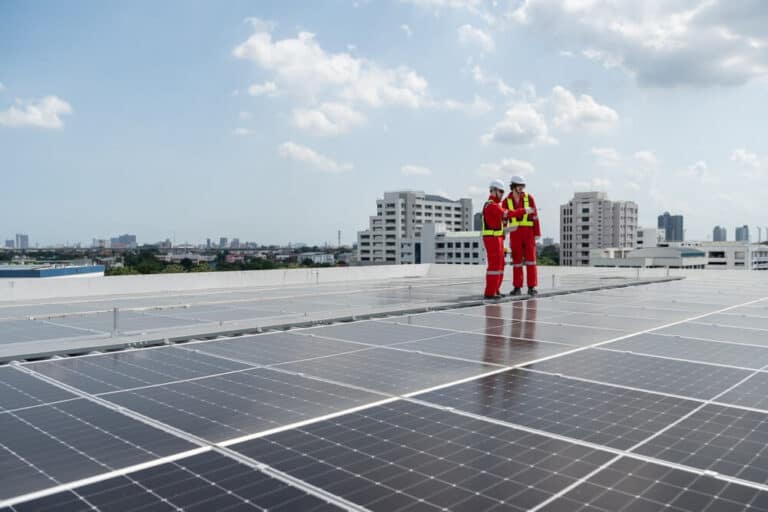
วิศวกรผู้เชี่ยวชาญกำลังปรึกษาเกี่ยวกับการติดตั้งชุดโซล่าเซลล์

Common Problems in Solar Installation

Prioritizing price over proper engineering design can lead to several issues:

  • Mismatched Panel Capacity: The system fails to meet production targets, leading to a slower ROI.
  • Incompatible Inverter Voltage: Frequent system shutdowns during peak sunlight hours, causing a loss of potential free energy.
  • Lack of Future Planning: Choosing equipment that does not support future battery upgrades, resulting in high costs for system modification later.

Why an Integrated Solar Solution is Better

Many organizations attempt to source components separately to save costs, but this carries the risk of component incompatibility. Choosing a comprehensive solution designed by a full-service solar provider offers several advantages:

  1. Maximum Efficiency: Every piece—from panels and inverters to wiring—is selected to work in perfect harmony, minimizing system energy loss.
  2. Simplified Maintenance: If an issue arises, you don’t have to coordinate with multiple suppliers. A one-stop provider ensures rapid repairs and minimizes downtime.
  3. Enhanced Safety: All connection points and protection ratings meet international engineering standards, reducing the risk of fire in factories or office buildings.

Trust Every Component with Solar PPM

At the industrial level, stability is paramount. Solar PPM is more than just an installer; we are experts who select and manufacture equipment specifically suited for Thailand’s climate, ensuring long-term efficiency.

Solar PPM: Your Comprehensive Energy Partner

  • Manufacturer & Assembler: We produce international-standard solar panels in Thailand, ensuring superior quality and cost control.
  • Versatile Installation Experts: Specialized in designing all types of solar systems tailored to various business structures.
  • Professional Engineering Team: Operated by experienced engineers and technicians to ensure high-level safety and engineering standards.
  • Large-Scale Reliability: Trusted for large-scale industrial projects with a guarantee of long-term system stability.
  • End-to-End Service: From site survey and design to legal permits and lifelong maintenance.

Contact Us:

Frequently Asked Questions (FAQs)

Q: Why is a Zero Export system important for self-consumption?

A: A Zero Export system is essential for On-Grid setups without a sell-back permit. It prevents excess power from flowing back into the utility grid, which could lead to meter errors or legal non-compliance.

Q: Which component requires the most maintenance?

A: Solar panels require the most frequent care (cleaning) to maintain light absorption efficiency. However, in terms of electrical safety, the inverter and control cabinets should be inspected annually by an engineer to check connections and surge protection.

Q: What should I prepare if I want to upgrade to a battery later?

A: If you plan to add a battery in the future, it is best to install a Hybrid Inverter from the start. These are designed to work with batteries natively, saving you the cost of replacing the inverter later.

ระบบโซล่าร์เซลล์มีหลายระบบ ควรเลือกติดตั้งให้เหมาะสม

Solar Materials and Systems: A Essential Guide Before Installation

การเลือกรูปแบบโซล่าเซลล์ที่ตอบโจทย์คือการจับคู่เทคโนโลยีให้สอดคล้องกับบริบทการใช้งานและเป้าหมายการลงทุน โดยปัจจุบันแผง Monocrystalline

Read More
PDPA Icon
Privacy Preferences

Allow All
Manage Consent Preferences
  • Always Active

Save