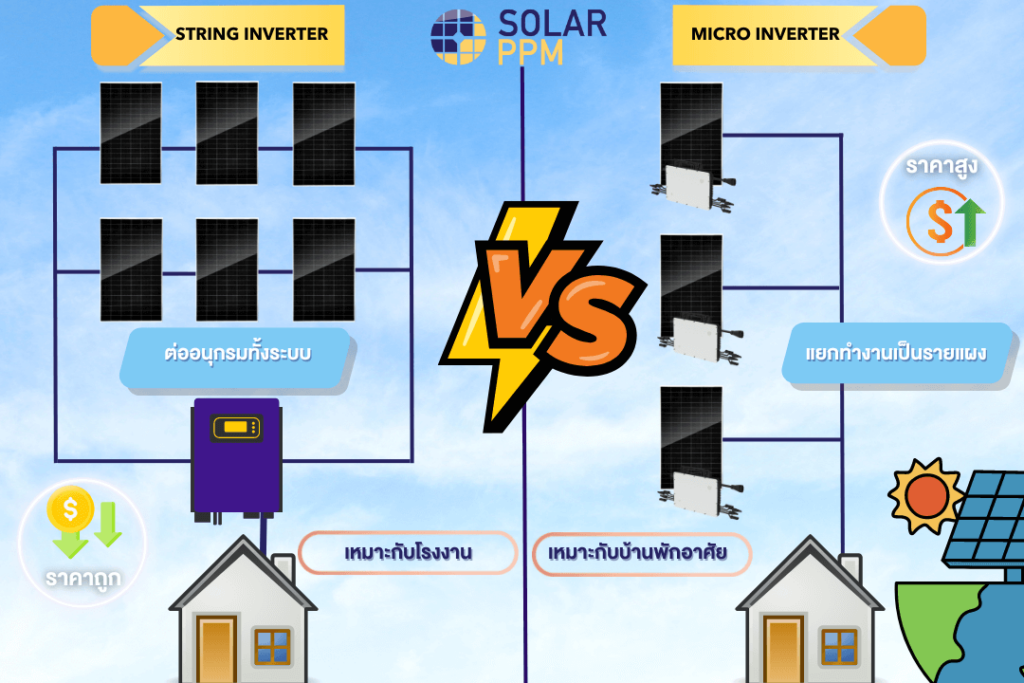
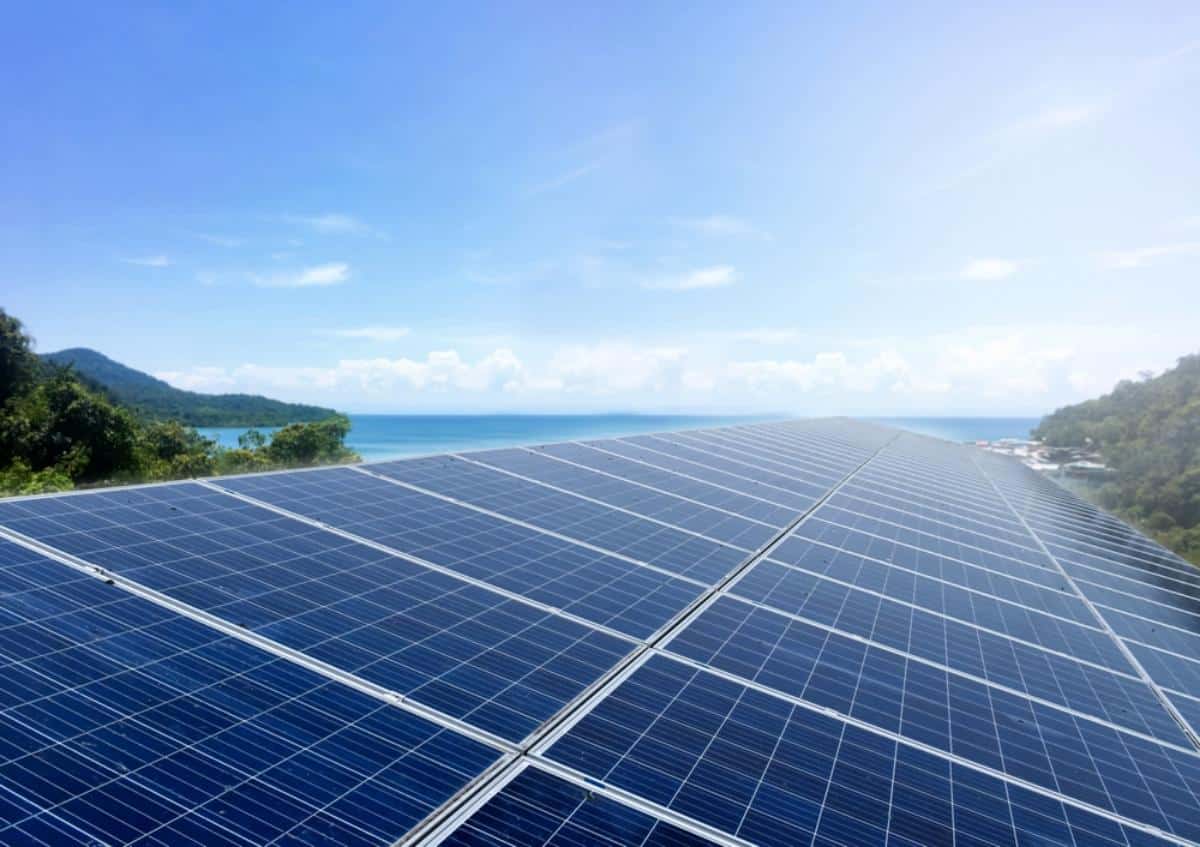
A Micro Inverter is a small inverter installed directly beneath each individual solar panel. Instead of converting power at a centralized point, each panel operates independently, converting DC to AC at the source.
Advantages of Micro Inverters
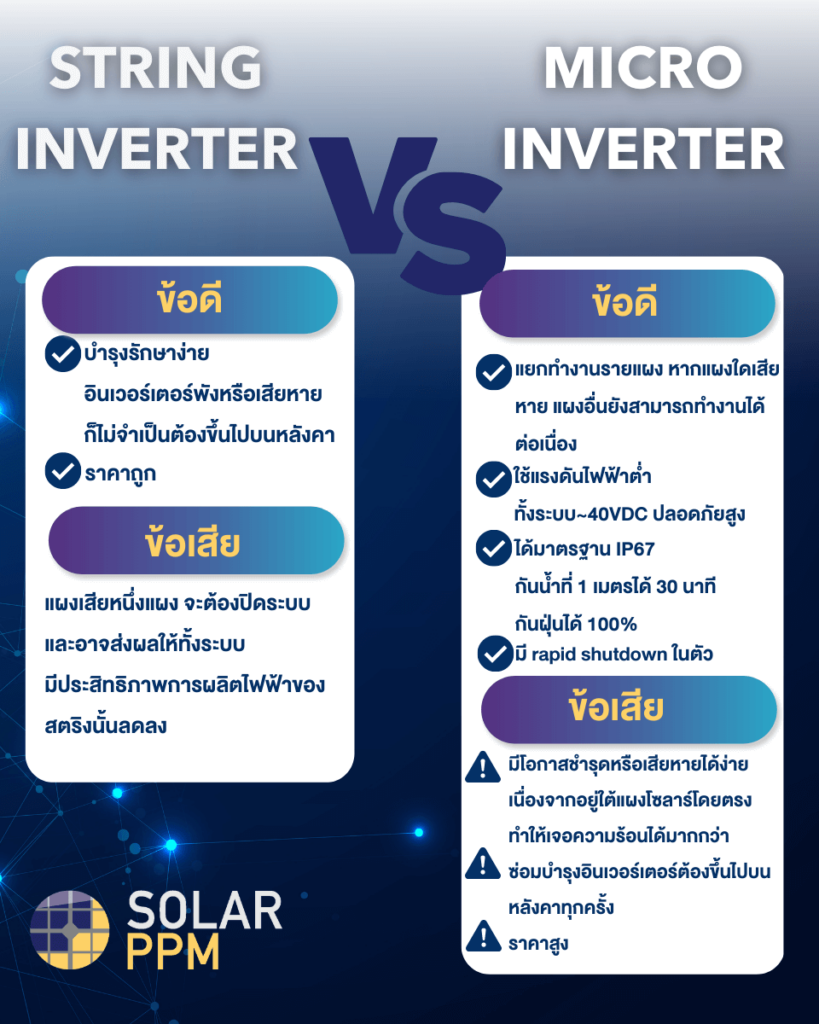
One of the most significant advantages of micro inverters is low operating voltage. The entire system typically operates at around 40 VDC, which significantly reduces the risk of electric shock, electrical fires, or short circuits. This makes micro inverter systems particularly attractive from a safety perspective.
Micro inverters are also built to withstand harsh environmental conditions. With an IP67 rating, they are fully protected against dust and can resist water immersion up to one meter for 30 minutes. This level of protection ensures reliable performance even during heavy rain or extreme weather.
In terms of durability, micro inverters are designed to operate in a wide temperature range, from –40°C to 65°C. Most models include built-in cooling and automatic reboot systems to protect against overheating, ensuring long-term stability.
Installation is another key benefit. Micro inverters can be mounted directly under the solar panels, eliminating the need for a separate control room or extensive wiring. This results in a cleaner system layout and greater design flexibility.
Because each panel functions independently, system performance is optimized. If one panel is shaded, dirty, or temporarily malfunctioning, the rest of the system continues to operate at full efficiency. This makes micro inverters ideal for rooftops with partial shading or complex layouts.
Maintenance is also more convenient. Panels can be cleaned or serviced without shutting down the entire system, and users can monitor real-time energy production panel by panel through a dedicated application. Many micro inverters also include rapid shutdown functionality, enhancing safety during emergencies and offering basic lightning protection.
Additionally, micro inverters typically come with a long warranty of up to 12 years, with straightforward replacement in the event of failure.
Limitations of Micro Inverters
Despite their advantages, micro inverters have some drawbacks. Since they are installed beneath the panels, maintenance or replacement requires technicians to access the rooftop each time an issue occurs. Their location also exposes them to higher heat accumulation, which may increase the likelihood of wear over time.
Cost is another consideration. Micro inverter systems generally have a higher upfront price compared to string inverter systems, which may not be suitable for all budgets—especially for large-scale industrial projects.