Blog

Solar Panels Explained: Choosing the Best Type

Understanding Different Types of Solar Panels

Currently, there are three main types of solar cells available on the market

1. Monocrystalline Silicon Solar Cells (Mono-Si)

Commonly referred to as single-crystalline silicon, these cells are easily identified by their uniform dark color and cylindrical-cut edges (diamond-shaped gaps between cells). They are made from high-purity silicon using the Czochralski process, which creates a large cylindrical ingot. The ingot is then sliced into wafers and trimmed to a pseudo-square shape to maximize efficiency and optimize material usage.


Advantages:

  • Highest Efficiency: Produced from the highest grade of silicon, with average efficiency rates of 19–23%.
  • Space Efficiency: Due to their high power output, they require the least amount of space for installation.
  • Long Lifespan: These panels have the longest durability, typically lasting 25 years or more.
  • Low-Light Performance: They tend to outperform polycrystalline panels in low-light conditions.

Disadvantages:

  • Higher Cost: They are the most expensive type. In some cases, polycrystalline or thin-film panels may be more cost-effective.
  • Sensitivity to Obstruction: If a portion of the panel is covered by dirt or shade, it can cause a significant drop in performance or potentially damage the inverter due to high-voltage surges.

2. Polycrystalline Silicon Solar Cells (Poly-Si)

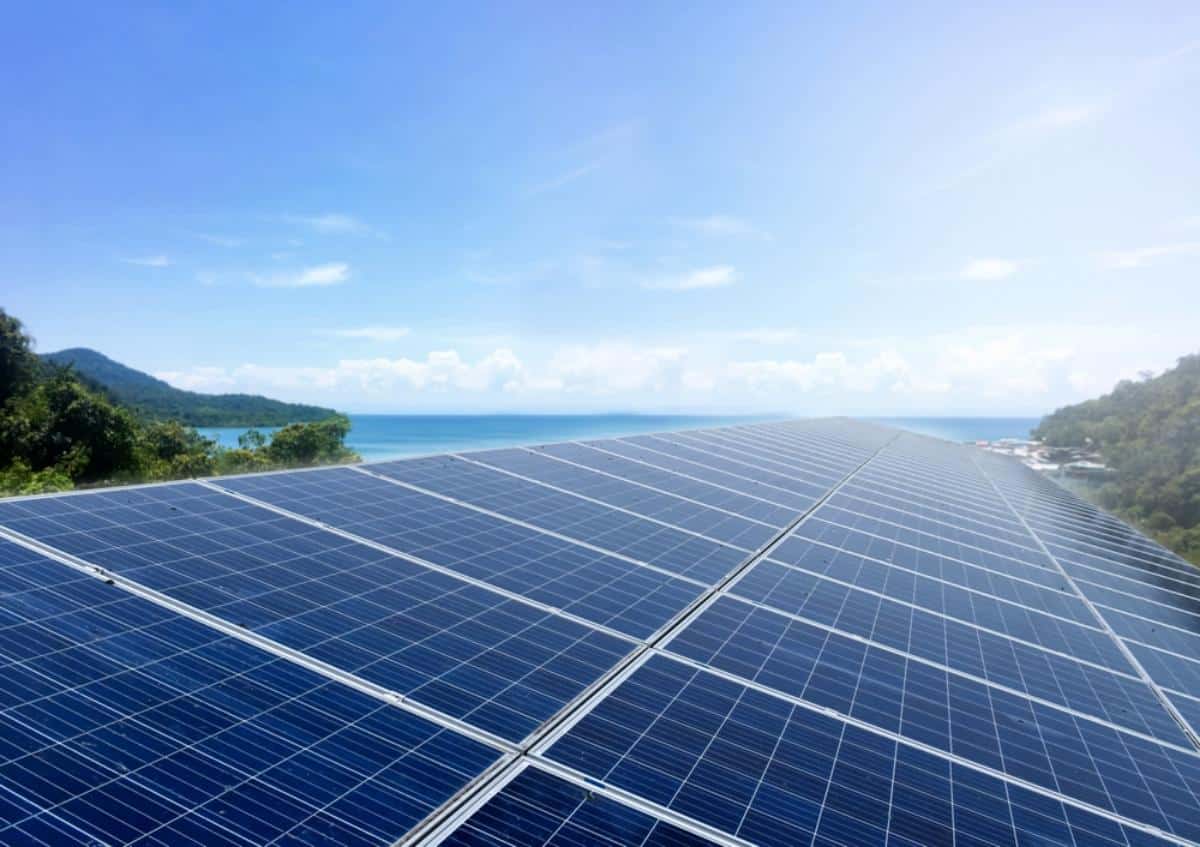
Also known as multi-crystalline silicon, these were the first solar panels developed using silicon crystals. The manufacturing process involves melting raw silicon and pouring it into square molds, which are then sliced into wafers. Consequently, the cells are perfectly rectangular with a distinctive blue, speckled appearance.


Advantages:

  • Simpler Manufacturing: The production process is less complex and more cost-effective.
  • High-Temperature Tolerance: They perform slightly better than monocrystalline panels in high-temperature environments.
  • Affordability: Generally offered at a lower price point than monocrystalline options.

Disadvantages:

  • Lower Efficiency: The average efficiency ranges from 13–18%, which is lower than monocrystalline cells.
  • Lower Space Efficiency: Due to lower power density, they require more space and increase costs for mounting structures and wiring.

3. Thin-Film Solar Cells (TFSC)

Thin-film panels are made by depositing one or more layers of photovoltaic material onto a substrate. Depending on the material used, average efficiency ranges from 7–13%. While they are common in large-scale industrial applications, they account for only about 5% of residential installations.

Advantages:

  • Cost-Effective: Easier to mass-produce, leading to lower per-panel costs compared to crystalline silicon.
  • Heat Resistance: Performance is less affected by extreme heat.
  • Shade Tolerance: They are less prone to circuit damage caused by shading or debris.
  • Ideal for Large Spaces: A great choice where installation space is abundant.

Disadvantages:

  • Lowest Efficiency: Requires significantly more area to produce the same amount of power.
  • Higher Ancillary Costs: Increased expenditure on mounting structures, cables, and labor.
  • Limited Residential Use: Generally not suitable for rooftops with limited space.

Shorter Warranty: Often come with shorter warranties compared to crystalline silicon panels.

โซล่าเซลล์สำหรับโรงงานขนาดใหญ่ ช่วยลดต้นทุน เพิ่มกำไร

Solar Energy for Large-Scale Offices: A Sustainable Cost-Reduction Strategy #2

ยกระดับธุรกิจสู่ Green Business ด้วยโซล่าเซลล์สำหรับโรงงานขนาดใหญ่และสำนักงาน ตอบโจทย์มาตรฐานความยั่งยืน เพิ่มมูลค่าสินทรัพย์และภาพลักษณ์อาคารอัจฉริยะ

Read More
โซล่าเซลล์สำหรับโรงงานขนาดใหญ่ ช่วยลดต้นทุน เพิ่มกำไร

Solar Energy for Large-Scale Offices: A Sustainable Cost-Reduction Strategy

ยกระดับธุรกิจสู่ Green Business ด้วยโซล่าเซลล์สำหรับโรงงานขนาดใหญ่และสำนักงาน ตอบโจทย์มาตรฐานความยั่งยืน เพิ่มมูลค่าสินทรัพย์และภาพลักษณ์อาคารอัจฉริยะ

Read More
ระบบโซล่าร์เซลล์มีหลายระบบ ควรเลือกติดตั้งให้เหมาะสม

Solar Materials and Systems: A Guide Before Installation

การเลือกรูปแบบโซล่าเซลล์ที่ตอบโจทย์คือการจับคู่เทคโนโลยีให้สอดคล้องกับบริบทการใช้งานและเป้าหมายการลงทุน โดยปัจจุบันแผง Monocrystalline

Read More
PDPA Icon
Privacy Preferences

Allow All
Manage Consent Preferences
  • Always Active

Save