
Essential Knowledge and How to Choose Solar Batteries for Long-term Value
Key takeaway / Summary of topic answer A solar battery is the heart of any system that requires energy storage for later use, especially in

IBC (Interdigitated Back Contact) is a specialized solar cell technology designed to maximize energy conversion efficiency and provide superior durability. This technology is primarily integrated into Monocrystalline solar panels to optimize power generation in space-constrained areas, making IBC solar panels an emerging innovation of significant interest in the industry.
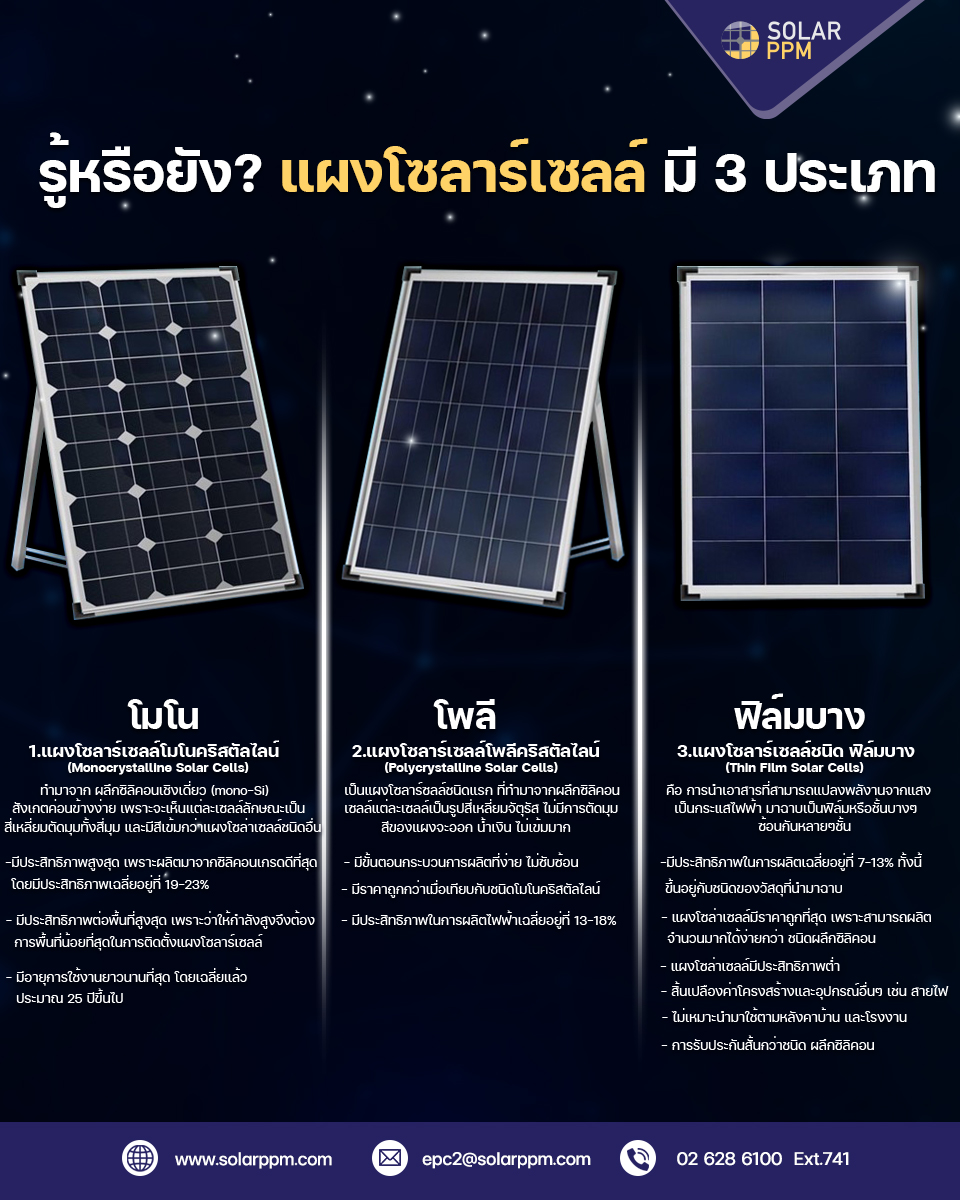
The majority of IBC cells currently in the market utilize N-type silicon wafers due to several technical advantages, including:
A prominent example is Maxeon (formerly SunPower), a market leader that consistently utilizes N-type IBC cells in its high-performance modules. While research into P-type IBC wafers continues, they are less prevalent commercially due to limitations in efficiency and material degradation compared to the N-type variant.

IBC solar panels represent a significant advancement in solar energy conversion through innovative design and optimal space utilization. Although they involve a higher initial investment, IBC cells are a compelling choice for projects requiring high-efficiency output within limited spaces. As the industry evolves, this technology has the potential to become a foundational standard for future solar PV modules.

ทีมผู้เชี่ยวชาญ Solar PPM ประกอบด้วยวิศวกรพลังงานแสงอาทิตย์ที่ผ่านการรับรองและผู้เชี่ยวชาญด้านอุตสาหกรรมโซล่าเซลล์ที่มีประสบการณ์จริงมากกว่า 10 ปี ครอบคลุมทั้งการออกแบบ ติดตั้ง และบำรุงรักษาระบบโซล่าเซลล์ ในฐานะส่วนหนึ่งของบริษัท โซลาร์ พีพีเอ็ม จำกัด ซึ่งอยู่ในเครือบริษัทมหาชน PORN PROM METAL ทีมของเราได้มีส่วนร่วมในโครงการติดตั้งรวมกว่า 200 MW ทั่วประเทศไทย ให้กับลูกค้าชั้นนำอย่าง Central Pattana, Thai Union, IKEA และ HOYA
Key takeaway / Summary of topic answer A solar battery is the heart of any system that requires energy storage for later use, especially in

Key takeaway / Summary of topic answer The TOU (Time-of-Use) tariff is an electricity billing method based on actual usage periods, divided into On-Peak (daytime
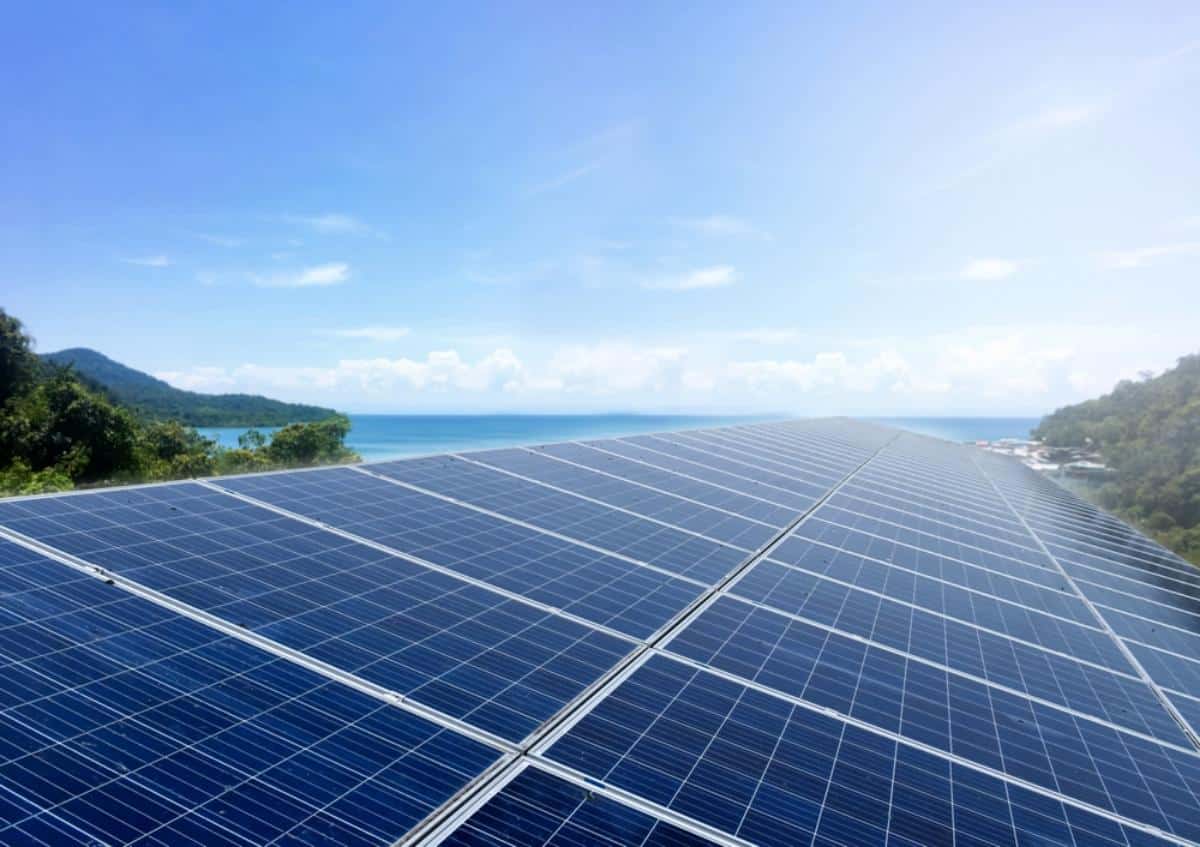
การเลือกรูปแบบโซล่าเซลล์ที่ตอบโจทย์คือการจับคู่เทคโนโลยีให้สอดคล้องกับบริบทการใช้งานและเป้าหมายการลงทุน โดยปัจจุบันแผง Monocrystalline
