Blog

How Solar Cells Work: Converting Sunlight into Electricity

Key takeaway
Solar energy is radiant light and heat from the sun that can be converted into an infinite supply of electricity. For those wondering how solar cells transform solar energy into electrical power, the process can be explained through the Photovoltaic Effect. Solar cells within a panel capture photons from sunlight, which excite electrons within a semiconductor material, causing them to move and generate Direct Current (DC). This current is then sent through an inverter to be converted into Alternating Current (AC) for use with household appliances and building systems. This sequence is the fundamental process for effectively harnessing solar energy.

Table of Contents

การติดตั้งโซล่าเซลล์บนหลังคาโรงงานช่วยลดต้นทุนค่าไฟให้ธุรกิจ

Solar cells are an increasingly popular clean energy alternative because they are a non-polluting source capable of producing electricity for both residential and industrial scales. However, many still have questions about the underlying principles of solar cell operation and exactly how they convert solar energy into usable electricity for daily life. Understanding the scientific mechanisms and benefits of solar energy systems will provide a clearer overview of how they function.

What are Solar Energy and Solar Cells?

Solar energy is radiant energy emitted by the sun, consisting of both light and heat. Humans can directly utilize this light energy through a technological device known as a Solar Cell, formally called a Photovoltaic Cell (PV Cell).

  • Solar cells are electronic devices that use sunlight to produce electricity directly.
  • The operation of a solar cell relies on a physics process called the Photovoltaic Effect, which generates voltage when a material is exposed to light.
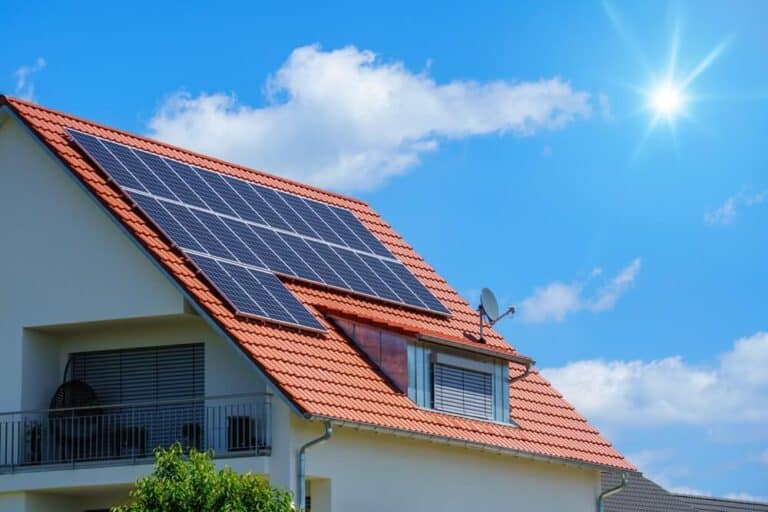
  • The solar panels seen lined up on rooftops consist of numerous small interconnected solar cells that work together to convert sunlight into practical, usable electrical energy.

An In-Depth Look at the Principles of Solar Cell Operation

The operational principles of solar cells involve a continuous process working in tandem with other system components to ensure the generated electricity is safe and suitable for general appliances.

The process of converting solar energy into electrical energy by solar cells.

StepWorking ProcessEquipment / Output Power Type
Light Absorption Photons from sunlight strike the solar panels, exciting electrons in the semiconductor material and causing them to move.Solar Panel
Electricity GenerationThe movement of electrons within the solar cells generates an electric current.Direct Current (DC)
Power ConversionThe electric current is sent through a power converter to make it compatible with standard electrical appliances.Inverter: Converts DC to AC

How do solar cells convert solar energy into electricity?

The answer lies in the structure of P-type and N-type semiconductor materials joined together. When sunlight hits the surface, it causes the separation of electrical charges, resulting in an electric current flow. To understand this better, we must look into the internal structure and how these cells are assembled.

Basic Structure of Solar Cells in a Panel

Most modern solar cells are made from semiconductor materials, specifically Silicon. Silicon undergoes a “doping” process to create two types of semiconductors joined at a P-N Junction. When sunlight strikes, the material absorbs energy, triggering the flow of electricity. Notably, the specific type of solar panel chosen will affect production efficiency and the return on investment (ROI).

Silicon Type (Semiconductor)Material Characteristics
N-Type SiliconA silicon layer with excess free electrons.
P-Type SiliconA silicon layer with holes, or vacancies that lack electrons.

Connecting Solar Cells to Increase Power Output

A single solar cell produces a very low voltage, approximately 0.5 – 0.6 Volts. Therefore, a single solar panel consists of many solar cells connected in a circuit to ensure electricity flows in the same direction. Arranging these cells together provides the higher voltage and current necessary for real-world use. Besides circuit connection, evaluating the rooftop area for installation is a crucial factor in calculating the appropriate number of panels.

Circuit ConfigurationSolar Cell Connection MethodResulting Outcome
Series ConnectionThe positive terminal of one cell is connected to the negative terminal of another cell.Increases voltage, while current remains the same.
Parallel ConnectionPositive terminals are connected to positive terminals, and negative terminals are connected to negative terminals.Increases current, while voltage remains the same.

Why can sunlight be converted into electrical energy?

The process of converting solar energy into electricity can be explained through basic quantum physics:

Physical Principles of Light-to-Electricity Conversion

Solar energy reaching Earth comes in the form of light particles called photons. When these particles hit a solar cell with sufficient energy—specifically energy higher than the material’s band gap—the energy is transferred to negative charges (electrons) within the semiconductor. This causes the electrons to break free from their orbits and move freely.

The electric field generated at the semiconductor junction directs the negative charges toward the N-type side and the positive holes toward the P-type side. This separation of charges creates a potential difference (voltage). When an external circuit is completed, an electric current is generated, which can power electrical machinery, lighting systems, or be stored in a backup power source.

พลังงานแสงอาทิตย์คือแหล่งพลังงานหมุนเวียนที่ช่วยลดการปล่อยก๊าซเรือนกระจก

Benefits and Advantages of Solar Energy Today

Adopting solar energy is not just about technological advancement; it offers immense macro and micro-level benefits.

  • Eco-Friendly Clean Energy Source: Solar power generation involves no combustion, produces no smoke or dust, and releases no greenhouse gases like carbon dioxide. This helps mitigate global warming and promotes sustainable air quality.
  • An Inexhaustible Renewable Resource: As long as the sun shines, this energy will never run out, making it a stable and sustainable source compared to fossil fuels like coal or oil, which are finite and increasingly expensive.

Cost-Effectiveness and Reasons to Choose Solar Installation

For homeowners or business operators, installing solar panels is a valuable long-term investment:

  1. Sustainable Reduction of Electricity Costs: Solar energy significantly lowers bills, especially during the day when air conditioning or machinery usage is high. Drawing power directly from the sun slows down the utility meter. Most systems reach a break-even point within a few years, after which the electricity produced is essentially free.
  2. Reduced Reliance on the Main Grid: Producing your own power provides energy security against rising electricity costs and FT (Fuel Adjustment Charge) rates.

Trust Your Installation with Solar PPM

If you are looking for international-standard solar panels with maximum efficiency, contact Solar PPM for a free consultation. We provide both On-Grid and Off-Grid solutions tailored to your needs.

  • Manufacturer & Assembler: High-quality panels produced in Thailand with international standards.
  • All-Type Installation Experts: Experienced in designing systems for various business structures.
  • Professional Team: Operated by skilled engineers ensuring safety and high engineering standards.
  • Large-Scale Capability: Specialized in industrial projects with guaranteed long-term stability.
  • End-to-End Service: From survey and design to legal processing and maintenance.

Contact us: Tel :  02-628-6100 ext. 801

Frequently Asked Questions (FAQs)

Q: How do solar cells work?

A: They capture photons from sunlight onto silicon semiconductors, causing electrons to break free and flow as DC electricity, which is then converted to AC by an inverter.

Q: Can solar cells produce electricity all the time?

A: They only produce electricity during daylight hours. They do not generate power at night or during extremely heavy, dark rain. However, a battery system can be installed to store energy for nighttime use.

Q: Where should I start if I want solar for my home?

A: Start by evaluating your daytime electricity consumption. Then, contact an expert to survey your roof, sunlight direction, and weight-bearing structure to calculate the optimal system size.

Q: What is the lifespan of a solar panel?

A: Standard panels typically last 20–25 years or more, with production efficiency decreasing only slightly over time.

ระบบโซล่าร์เซลล์มีหลายระบบ ควรเลือกติดตั้งให้เหมาะสม

Solar Materials and Systems: A Essential Guide Before Installation

การเลือกรูปแบบโซล่าเซลล์ที่ตอบโจทย์คือการจับคู่เทคโนโลยีให้สอดคล้องกับบริบทการใช้งานและเป้าหมายการลงทุน โดยปัจจุบันแผง Monocrystalline

Read More
PDPA Icon
Privacy Preferences

Allow All
Manage Consent Preferences
  • Always Active

Save