
Essential Knowledge and How to Choose Solar Batteries for Long-term Value
Key takeaway / Summary of topic answer A solar battery is the heart of any system that requires energy storage for later use, especially in


Deciding to install solar at an industrial level often brings up the critical question: “When will this project break even?” and “Is installing solar worth it? How can we measure that?”
For business owners or factory managers responsible for electricity bills in the hundreds of thousands or millions of Baht per month, this isn’t just about buying equipment—it’s about long-term financial strategy. Initial assessments often drift from reality because profitability isn’t determined solely by the price of solar panels; it also involves electricity consumption patterns and tax benefits that many overlook.
A Turnkey or One-Stop Service installation is a preferred choice for many modern businesses. This service covers everything from the initial survey and engineering design to equipment procurement, securing government permits for grid connection, and delivering a system that is immediately ready for use.
For factory owners, calculating the Solar ROI or the business break-even point requires a holistic view beyond just dividing the installation cost by the electricity discount. To see the true total return, consider this formula:
$$ROI (\%) = \frac{\text{Annual Savings} – \text{Annual Maintenance Cost}}{\text{Net Investment}} \times 100$$
To achieve the most realistic net figures, the following auxiliary factors must be included:
Government investment promotion measures allow businesses to deduct up to 50% of the installation cost from corporate income tax within three years. This is a crucial variable that can nearly double the speed of the payback period.
Key Condition: According to the latest criteria, to receive maximum BOI benefits, the installation of a Battery Energy Storage System (BESS) is often required to maximize internal energy management efficiency and reduce the burden on the central grid.
Choosing panels that meet international standards, such as IEC, is vital. However, for the climate in Thailand, panels with the Made in Thailand (MiT) mark are often designed to be more durable in hot and humid conditions. This ensures stable power production throughout the system’s lifespan and reduces the Degradation Rate.
To keep the system at Peak Performance, there must be a schedule for panel cleaning, inverter inspections, and auxiliary equipment checks. Neglecting this part can lead to a drop in production efficiency, extending the payback period beyond the initial calculation.
For executives looking to mitigate financial risk, the Solar PPA (Power Purchase Agreement) is an attractive strategy. In this model, the service provider handles the entire investment, allowing the business to benefit from energy savings without drawing from their own cash flow.
Value is determined by comparing suitability with actual usage, primarily through three variables:
On average, the break-even point is 3.5 – 5 years, depending on system size and tax incentives. After breaking even, the organization enjoys the profit from electricity savings for over 20 more years, with only minimal maintenance costs.
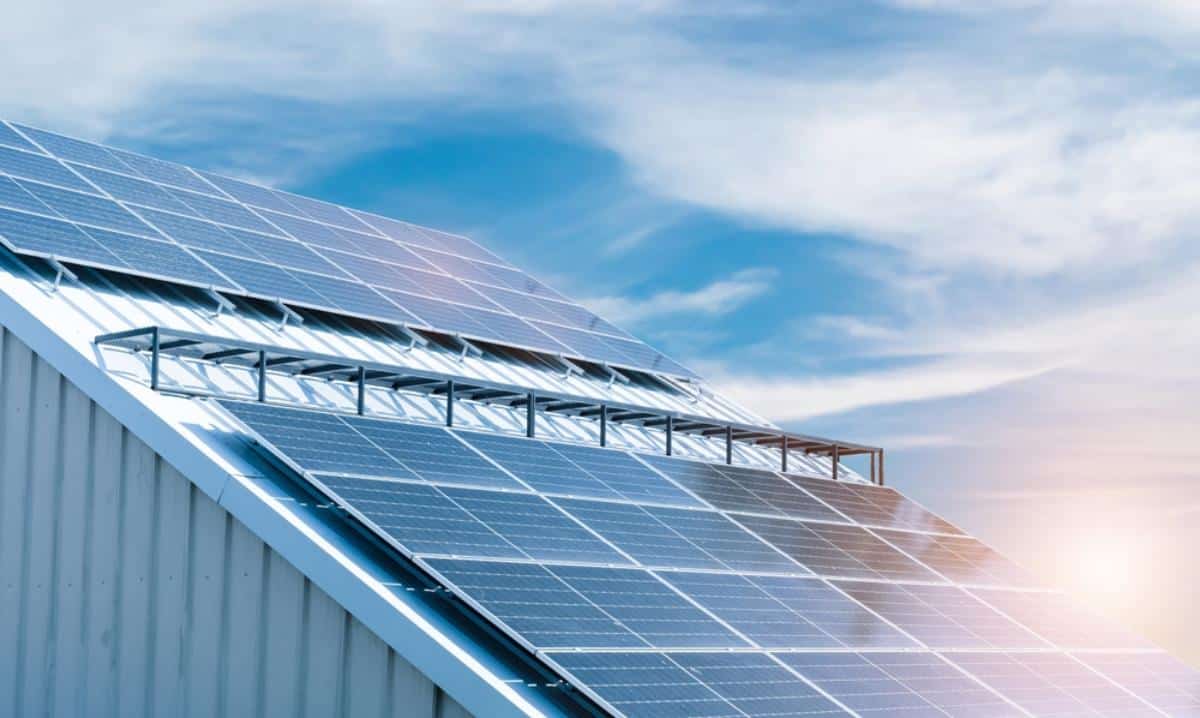
If your ROI calculation shows significant value, but your business needs to manage its budget efficiently, the Solar PPA model is the ultimate solution. You can save on electricity costs from day one with zero installation or maintenance expenses.
Tel : 02-628-6100 ext. 801
Email : epc1@solarppm.com
Line : @solarppm
A: The average is 3.5 – 5 years. The most significant factor is BOI Tax Incentives, which can shorten the payback period by 1-2 years, followed by the Daytime Electricity Consumption rate.
A: Beyond the EPC Cost (installation), you must include annual O&M (Operations & Maintenance), future electricity inflation rates, panel Degradation, and corporate tax savings.
A: Businesses with electricity bills over 300,000 THB per month can use the Solar PPA model. The provider installs the system for free, and the factory buys the generated power at a Discount on Tariff. This ensures immediate savings with Zero CAPEX and zero maintenance liability.

Key takeaway / Summary of topic answer A solar battery is the heart of any system that requires energy storage for later use, especially in

Key takeaway / Summary of topic answer The TOU (Time-of-Use) tariff is an electricity billing method based on actual usage periods, divided into On-Peak (daytime
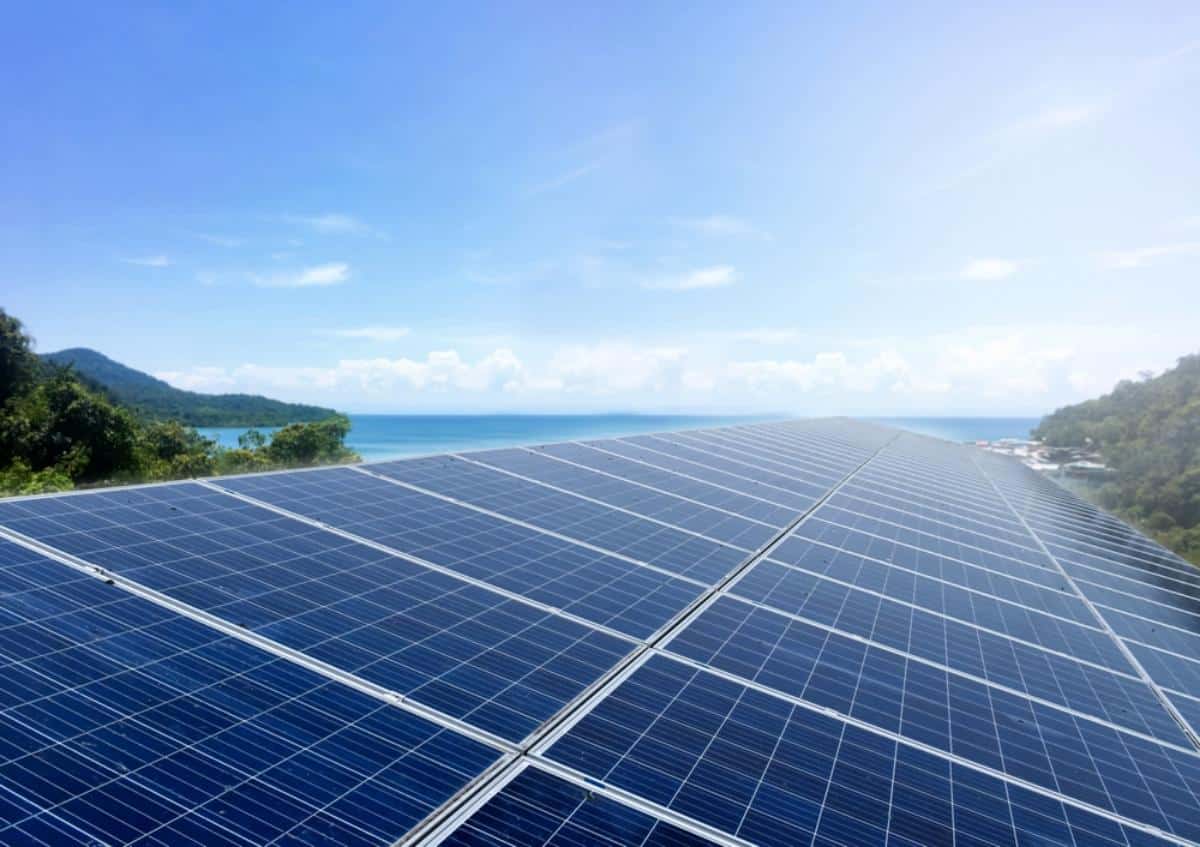
การเลือกรูปแบบโซล่าเซลล์ที่ตอบโจทย์คือการจับคู่เทคโนโลยีให้สอดคล้องกับบริบทการใช้งานและเป้าหมายการลงทุน โดยปัจจุบันแผง Monocrystalline
