
Essential Knowledge and How to Choose Solar Batteries for Long-term Value
Key takeaway / Summary of topic answer A solar battery is the heart of any system that requires energy storage for later use, especially in


Choosing a solar panel size is not just about measuring the width of your roof or installation area; it must be considered alongside generation efficiency, the required number of panels, and long-term cost-effectiveness. Since panel size directly affects both initial costs and the return on investment (ROI), this article explains the differences between small and large solar panels and provides guidelines for selecting the right size for your needs.
Generally, solar panels are categorized by their application into small and large-scale panels, each offering distinct advantages and limitations.
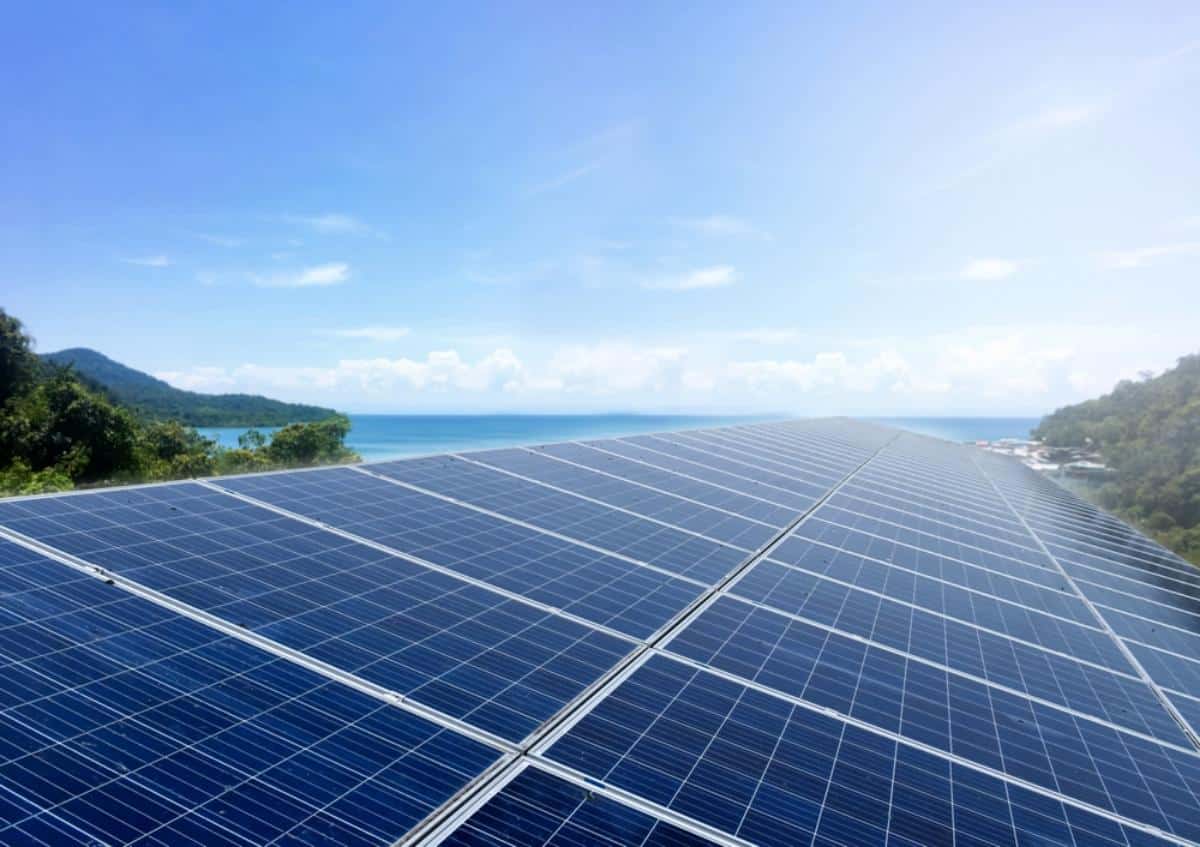
Large solar panels are designed for high power output per panel, making them ideal for projects requiring substantial electricity, such as factories or commercial developments. A key advantage is the ability to generate more power within the same area, which reduces the total panel count, simplifies the mounting structure, and makes long-term maintenance easier.
Small solar panels are typically used for applications with specific spatial constraints or projects looking to control initial budgets. While they offer installation flexibility, their primary limitation is that more panels are required to achieve the same total power output.
Selecting the ideal solar panel size cannot be decided by wattage alone. You must consider the project’s overall scope, including the installation environment, electricity consumption patterns, and long-term ROI goals. The most suitable panel is one that aligns its generation capacity with your actual usage while maximizing resources, space, and budget.
If space is limited—such as a factory roof with obstructions—choosing large panels, like the 815W models, allows for higher power generation in the same area using fewer panels. This also reduces the supporting structure and improves system layout efficiency, while minimizing the complexity of wiring and connection points.
Factories or businesses with continuous high electricity consumption should opt for high-wattage panels to ensure the system can support the actual electrical load during peak hours. Using large panels provides better system stability, reduces the risk of insufficient power generation, and enhances the efficiency of self-consumption.

Although large panels may have a higher initial cost per unit compared to small ones, their superior generation capacity results in greater monthly electricity savings. This leads to a shorter payback period over the project’s lifespan, particularly for operations with consistent daytime energy usage.
When evaluating a solar investment for a business or factory, value should be judged by the total cost over the system’s lifetime rather than the price per panel. Large solar panels offer several advantages
Large panels produce more power individually, requiring fewer units to reach a target capacity. This results in more efficient use of installation space, a lower structural load on the roof, fewer mounting points, and a cleaner system design that is easier to maintain in the long run.
High-capacity panels, such as the 815W models, are designed for high output per unit. This allows the system to generate more electricity without increasing the number of components, thereby reducing energy loss from connections and wiring. It also ensures the system remains stable and better aligned with industrial electricity needs.
By using larger panels, the number of inverters, connection points, and balance-of-system (BOS) components is reduced. This lowers the costs for installation, inspection, and long-term maintenance. Furthermore, a simplified system structure minimizes the risk of damage and repair costs, significantly lowering the total cost of ownership.
There is no single “best” answer; the choice depends on the application, energy goals, and space constraints. However, in the context of factories and businesses seeking long-term value, large panels hold a significant advantage in several dimensions.
Small panels are suitable for projects with highly limited installation space or lower energy demands, such as small buildings or areas that cannot support the weight of larger panels. Their advantage lies in installation flexibility and a lower initial cost per panel. However, to achieve a high total power output, more panels are required, which leads to increased costs for structures, wiring, and connection points, as well as a greater maintenance burden over time.
Large panels are designed for projects requiring high generation capacity within a limited area, specifically for factories and commercial use. Their strength is high power output per panel, which reduces the total number of panels, supporting structures, and connection points. This creates a simpler and more stable system. Although the initial cost per panel is higher, the overall project cost per unit of energy is typically lower, leading to a faster return on investment.
Selecting a solar panel size is not just about physical dimensions or wattage; it is about energy planning that fits your business. For factories and high-efficiency projects, large solar panels clearly reduce the number of components while increasing generation capacity and lowering the cost per unit of energy.
If you are looking for high-quality solar panels and a provider who truly understands your business, contact Solar PPM today for a free consultation. Start planning a solar project designed for your long-term value immediately.
Tel : 02-628-6100 ext. 801
Email : epc1@solarppm.com
Line : @solarppm
A: Start by calculating your actual electricity consumption based on daily usage or historical bills (kWh per month). Use this data to estimate the system size and number of panels required, matching the wattage to your available space and savings goals. Correct calculations ensure maximum efficiency and a faster ROI.
A: Dimensions vary by wattage; higher power panels are physically larger. Selection should consider the actual roof dimensions, weight capacity, and optimal sunlight exposure. For large projects, high-wattage panels are generally more cost-effective as they reduce the total number of panels and save space.
A: They generate more power per panel, requiring fewer units to be installed. This saves space and reduces long-term maintenance costs.
A: They are better suited for factories with high and continuous electricity needs. Large panels help the system handle heavy electrical loads more effectively and provide a faster return on investment.
A: The initial cost might be higher, but when calculated against total system efficiency and long-term electricity savings, they usually offer better value.
A: They save space because they provide high power output per unit, meaning fewer panels are needed to produce the same amount of electricity.
A: Generally, large panels tend to pay back faster because they can significantly and consistently reduce electricity costs throughout the project’s lifespan.

Key takeaway / Summary of topic answer A solar battery is the heart of any system that requires energy storage for later use, especially in

Key takeaway / Summary of topic answer The TOU (Time-of-Use) tariff is an electricity billing method based on actual usage periods, divided into On-Peak (daytime
การเลือกรูปแบบโซล่าเซลล์ที่ตอบโจทย์คือการจับคู่เทคโนโลยีให้สอดคล้องกับบริบทการใช้งานและเป้าหมายการลงทุน โดยปัจจุบันแผง Monocrystalline
