
Essential Knowledge and How to Choose Solar Batteries for Long-term Value
Key takeaway / Summary of topic answer A solar battery is the heart of any system that requires energy storage for later use, especially in

Carbon Footprint Explained: Why It Matters for Modern Businesses
As climate change becomes more visible in our daily lives—through rising temperatures, unpredictable weather, and increasing energy costs—the term “carbon footprint” has moved from environmental discussions into boardrooms and business strategy meetings. Today, sustainability is no longer just a public relations topic. It is a real business issue that affects costs, regulations, brand reputation, and long-term competitiveness.
So what exactly is a carbon footprint, why does it matter for businesses, and how can organizations realistically reduce it? Let’s break it down in simple terms.
A carbon footprint refers to the total amount of greenhouse gases released into the atmosphere as a result of human activities. These emissions are usually expressed as kilograms of carbon dioxide equivalent (kgCO₂e) to account for different greenhouse gases, not only CO₂.
Carbon emissions are created at almost every step of modern life: manufacturing products, transporting goods, generating electricity, business travel, food consumption, and even digital activities that rely on data centers. The more we depend on fossil fuels such as coal, oil, and gas, the larger our carbon footprint becomes.
For businesses, a carbon footprint typically covers emissions from:
Understanding where emissions come from is the first step toward reducing them.

At the international level, organizations often follow recognized standards such as ISO 14064-1 for organizational carbon footprint and ISO 14067 for product carbon footprint. These standards provide clear guidelines on how to collect data and calculate emissions in a consistent way.
A simplified formula commonly used is:
Greenhouse gas emissions = Activity data × Emission factor
For example:
This method allows companies to quantify their impact and track improvements over time.
To make the idea more concrete, here are a few everyday activities and their approximate carbon impacts:
These examples show how quickly emissions add up, both for individuals and for organizations with large-scale operations.
Measuring carbon footprint is no longer optional for modern businesses. It plays a growing role in:
Reducing emissions does not require drastic change overnight. Small, consistent steps can make a real difference:
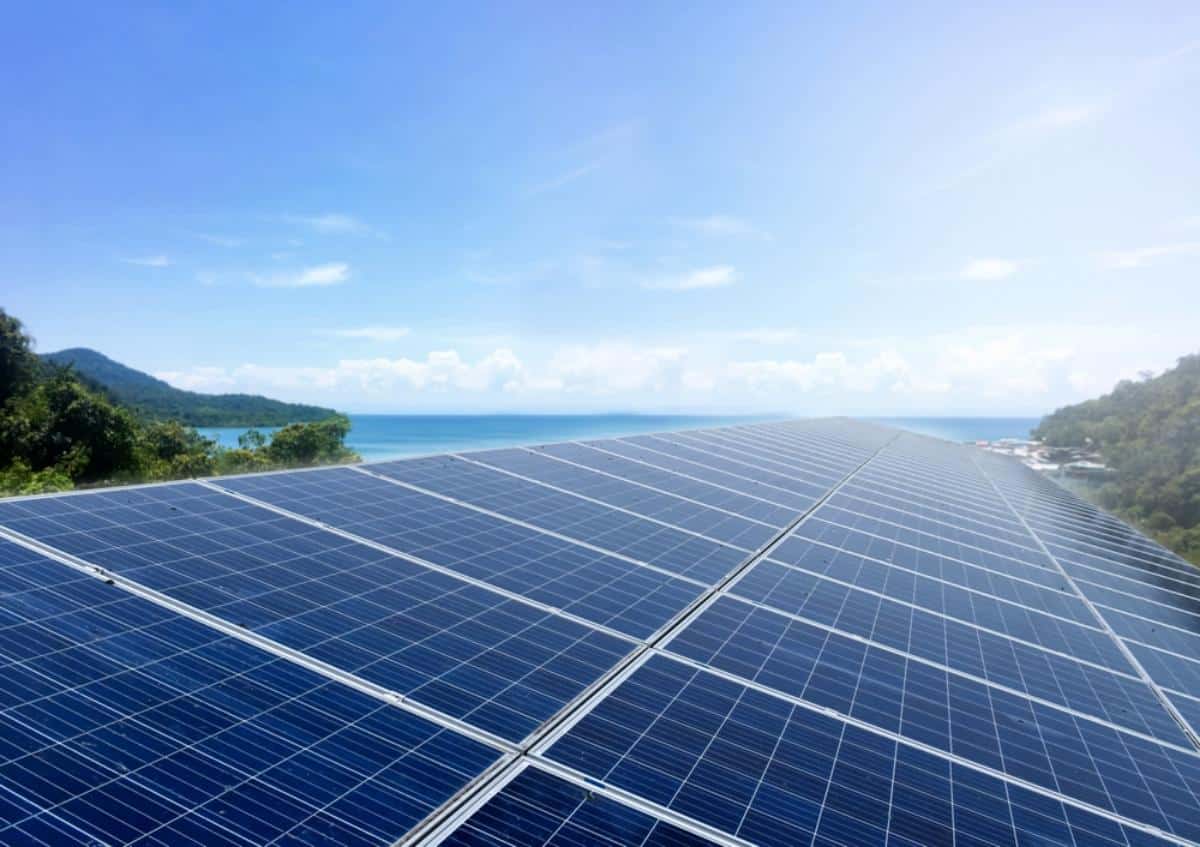
For many businesses, installing rooftop solar or integrating renewable energy into operations is one of the most practical and visible steps toward lowering emissions.
More organizations are now setting Net Zero targets and introducing carbon labels on products to show transparency. Carbon management is becoming part of long-term business strategy, not just a side project for sustainability teams.
In the near future, companies that fail to measure and manage their carbon footprint may face higher operating costs, regulatory pressure, and loss of competitiveness. On the other hand, businesses that act early can position themselves as leaders in the transition toward a low-carbon economy.
Carbon footprint is no longer a distant environmental concept—it reflects the real impact of everyday business decisions. By understanding where emissions come from and taking practical steps to reduce them, companies can cut costs, strengthen their brand, and contribute to a more sustainable future.
Small actions, when scaled across organizations and industries, can lead to meaningful change for both business performance and the planet.

Key takeaway / Summary of topic answer A solar battery is the heart of any system that requires energy storage for later use, especially in

Key takeaway / Summary of topic answer The TOU (Time-of-Use) tariff is an electricity billing method based on actual usage periods, divided into On-Peak (daytime
การเลือกรูปแบบโซล่าเซลล์ที่ตอบโจทย์คือการจับคู่เทคโนโลยีให้สอดคล้องกับบริบทการใช้งานและเป้าหมายการลงทุน โดยปัจจุบันแผง Monocrystalline
