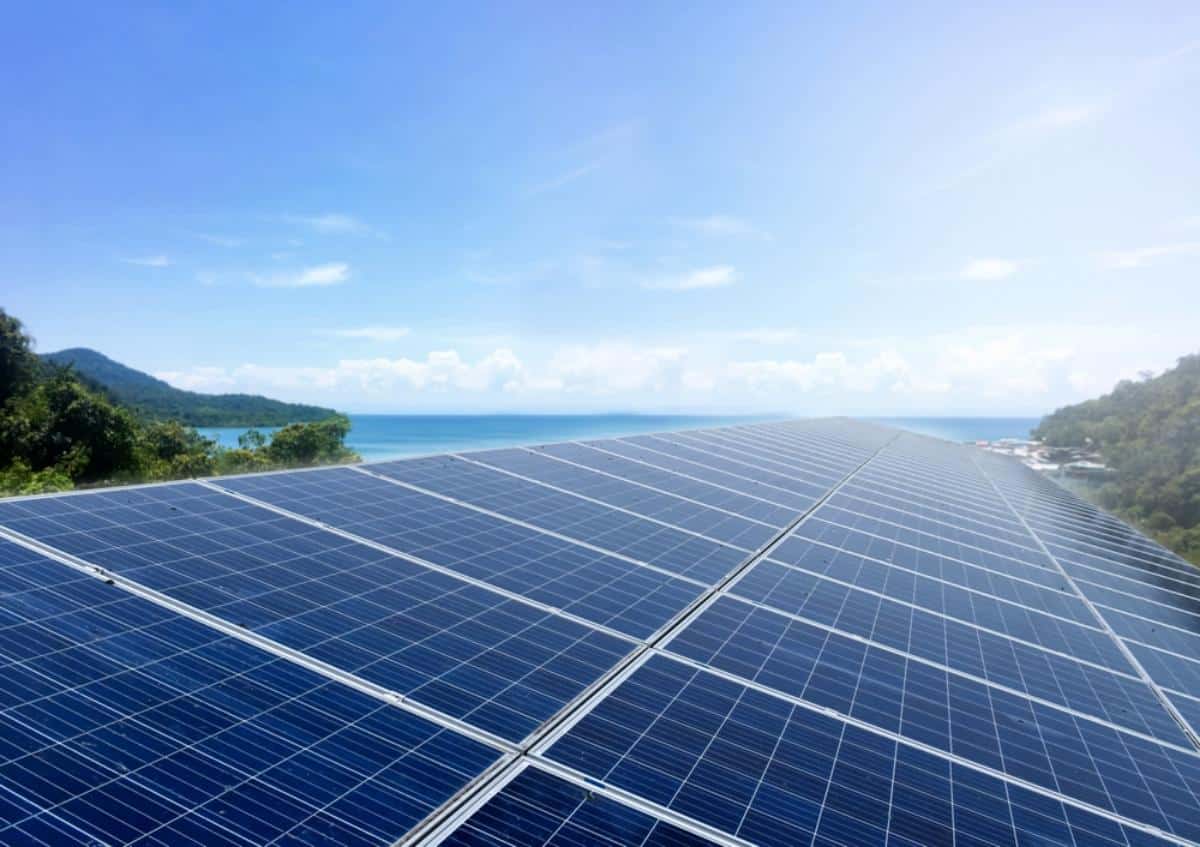
Solar panels, also known as photovoltaic (PV) panels, are devices designed to convert sunlight directly into electricity. At the core of this technology is a simple but powerful principle: when sunlight hits a solar panel, the energy from the light excites electrons inside a semiconductor material—most commonly silicon—causing them to move and generate an electric current. While the concept is straightforward, the efficiency of solar panels depends on many interacting factors that go far beyond the panel itself.
What Does Solar Panel Efficiency Mean?
Solar panel efficiency refers to the percentage of sunlight that a panel can convert into usable electrical energy. In real-world applications, most commercial solar panels operate within an efficiency range of approximately 15% to 22%, depending on the type, quality, and technology used.
- Standard solar panels typically have efficiencies of around 15–18%.
- High-efficiency panels, such as monocrystalline modules, usually perform at about 18–22%.
This percentage represents how much of the total sunlight striking the panel’s surface is converted into electricity. A higher efficiency panel can generate more power from the same surface area, which is particularly important where installation space is limited, such as rooftops or industrial buildings.
However, efficiency ratings are measured under standardized laboratory conditions. Actual energy production in the field depends on several environmental and installation-related factors.
Key Factors That Affect Solar Panel Efficiency
Sunlight intensity
Sunlight is the most important factor influencing solar performance. The stronger and more direct the sunlight, the more electricity a solar panel can produce. Regions with high solar irradiance naturally achieve higher energy yields.
Angle of sunlight
The angle at which sunlight strikes the panel also matters. Solar panels perform best when sunlight hits them at a perpendicular angle. This is why proper tilt and orientation—usually facing south in the Northern Hemisphere—are critical for maximizing output.
Weather conditions
Clouds, fog, rain, and airborne dust can reduce the amount of sunlight reaching the panel surface. While solar panels still produce electricity under cloudy conditions, their output can drop significantly compared to clear, sunny days.
Temperature effects
Contrary to common belief, solar panels do not perform best in extreme heat. As panel temperature rises, electrical efficiency decreases slightly. High temperatures cause increased internal resistance within the semiconductor material, which reduces power output. Conversely, cooler temperatures can slightly improve efficiency, though the effect is less pronounced than the losses caused by heat.
Temperature and Solar Performance
Temperature is one of the most overlooked factors in solar system design. When solar panels heat up—especially in tropical or industrial environments—their voltage output drops. This phenomenon is quantified by the panel’s temperature coefficient, which indicates how much efficiency is lost for every degree increase above standard test conditions.
While lower temperatures can improve performance marginally, the key takeaway is that managing excess heat is essential for maintaining long-term efficiency and system reliability.
Best Time of Day for Solar Production
Solar panels generally perform best when sunlight is most intense and direct, which typically occurs between 10:00 a.m. and 2:00 p.m. During this window, panels receive peak solar radiation, resulting in maximum electricity generation. Outside these hours, production gradually decreases as the sun’s angle changes.
Additional Factors Influencing Efficiency
Panel quality and standards
The materials used, manufacturing technology, and overall build quality have a major impact on performance. Certified panels that meet international standards—such as IEC, UL, or local certifications—tend to deliver more consistent output over their lifespan.
Soiling and dirt
Dust, pollution, bird droppings, and other debris can block sunlight from reaching the panel surface. Even a thin layer of dirt can reduce efficiency noticeably, making regular cleaning and maintenance important.
System design and installation
The spacing between panels, mounting height, and airflow underneath the modules all influence heat dissipation and performance.
Cooling Systems for Solar Panels
To counteract efficiency losses from heat, several cooling approaches can be applied:
- Air cooling and ventilation: Increasing airflow around panels—either naturally or with fans—helps reduce surface temperature.
- Water cooling systems: Circulating water across or behind panels can effectively lower temperatures, though these systems require careful maintenance and water resource management.
- Elevated installation: Mounting panels with sufficient clearance from the roof or ground allows air to circulate beneath them, reducing heat buildup.
- Optimized tilt angles: Proper panel angles not only maximize sunlight exposure but also minimize excessive heat absorption during peak hours.
Maximizing Solar Panel Performance
Solar panel efficiency is not determined by a single factor. Instead, it is the result of panel technology, environmental conditions, system design, and ongoing maintenance working together. Understanding how sunlight, temperature, installation angle, and cooling affect performance allows system owners to make smarter decisions—whether choosing the right panel type, designing an effective layout, or maintaining the system over its 25-year lifespan.
By taking these factors into account, solar energy systems can deliver maximum value, reliable performance, and long-term returns—making solar power a truly sustainable investment for homes, businesses, and industries alike.