Blog

Which Clean Energy Source is the Optimal Choice for the Future?

Which Clean Energy Source is the Optimal Choice for the Future?

In an era of rapidly increasing energy demand, identifying the most suitable and efficient clean energy sources is paramount. Transitioning to renewables is essential for environmental protection and reducing dependence on fossil fuels. This article provides a comparative analysis of currently available clean energy sources, highlighting their respective advantages and disadvantages to help you determine the most appropriate energy solution for your specific needs.

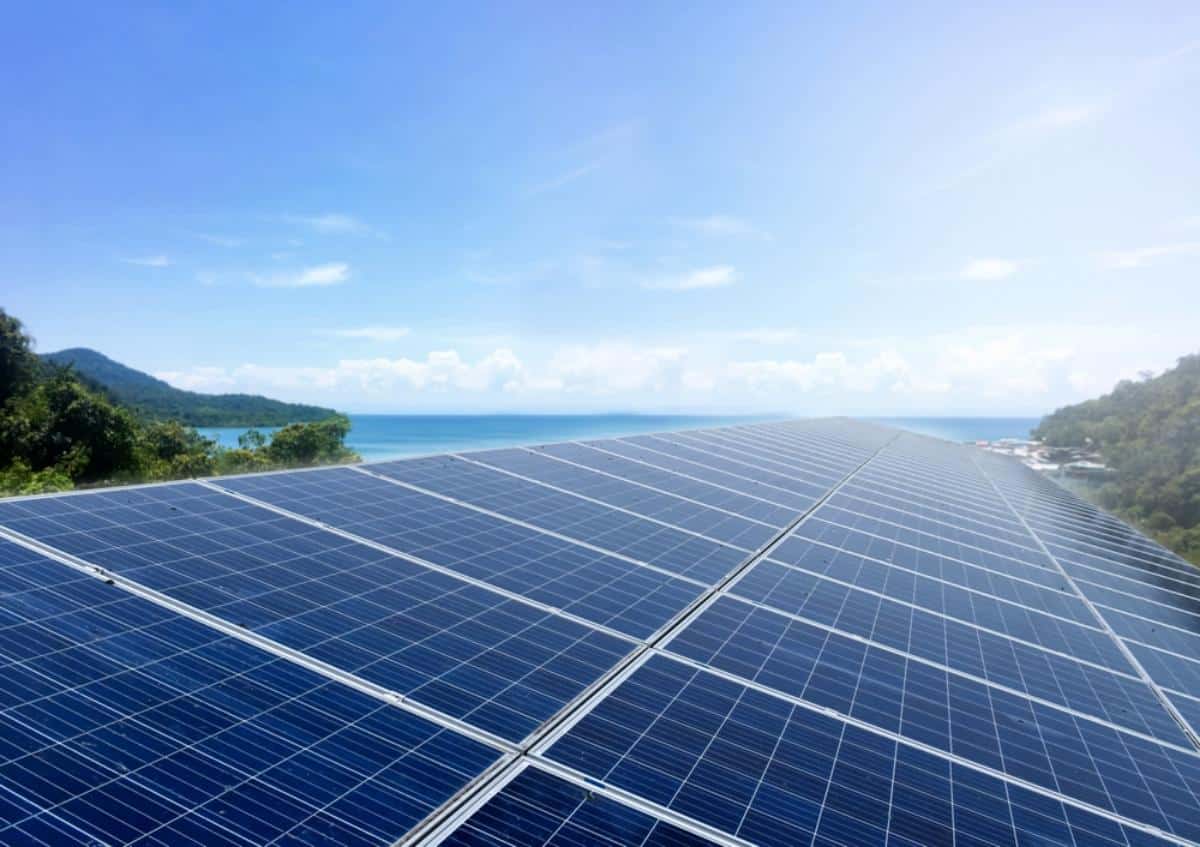
1. Solar Energy

  • Advantages:
    • Inexhaustible Resource: Sunlight is a limitless energy source.
    • Ease of Installation: Solar panels can be efficiently installed on rooftops or ground-mounted structures.
    • Cost Reduction: Significantly lowers electricity expenditures for households, commercial buildings, and industrial facilities.
    • Recyclability: Components of the system can be processed and recycled.
    • Scalability: Suitable for diverse applications, ranging from small-scale residential use to large-scale utility projects.
    • Low Maintenance: Solar PV systems have a long operational lifespan of 25–30 years with minimal technical issues.
  • Disadvantages:
    • Intermittency: Energy production is dependent on weather conditions and diurnal cycles, particularly during monsoon seasons.
    • High Initial Capital Expenditure (CAPEX): The upfront cost for equipment and installation remains relatively high.

2. Wind Energy

  • Advantages:
    • Eco-Friendly: Wind power generation produces zero greenhouse gas emissions (CO₂).
    • High Yield: Capable of generating substantial power in high-wind-velocity areas.
  • Disadvantages:
    • Noise Pollution: Turbines generate acoustic noise and may cause electromagnetic interference (radio waves), impacting local communities.
    • Ecological Impact: Poses risks to wildlife, specifically bird and bat collisions.
    • Waste Management Challenges: The massive size of turbine blades makes decommissioning and disposal difficult.
    • Inconsistency: Highly dependent on wind speed and localized weather (notably, Thailand generally experiences relatively low average wind speeds).
    • High Storage Costs: The batteries required for energy storage are expensive.
    • Technical Gaps: There is a current lack of advanced management technology and specialized personnel in certain regions.

3. Hydropower

  • Advantages:
    • High Efficiency: Capable of generating massive amounts of energy from water flow.
    • Dispatchability: Reservoirs and dams allow for energy storage and controlled power dispatch based on demand.
  • Disadvantages:
    • Environmental Impact: Large-scale dam construction can disrupt ecosystems, displace local communities, and pose flooding risks.
    • Climate Sensitivity: Changes in global climate patterns can significantly alter water flow and decrease energy reliability.

4. Geothermal Energy

  • Advantages:
    • Baseload Stability: Capable of continuous, 24/7 power production regardless of weather.
    • Low Operational Costs: Features relatively low ongoing operation and maintenance (O&M) expenses.
  • Disadvantages:
    • Geographical Constraints: Limited to areas with high volcanic or tectonic activity.
    • Geological Risks: Drilling and extraction processes may trigger seismic activity or minor earthquakes.

5. Biomass Energy

  • Advantages:
    • Waste Reduction: Utilizes agricultural residues and organic waste as fuel.
    • Renewable Source: Uses organic matter from plants and animals as a sustainable energy feedstock.
  • Disadvantages:
    • Emission Concerns: Combustion of biomass can release CO₂ and other greenhouse gases, contributing to global warming.
    • Land Requirements: Requires vast areas of land for cultivating energy crops.
    • High Technology Costs: Modern, clean biomass conversion technologies are expensive.
    • Supply Chain Volatility: Agricultural feedstocks have a short shelf life, leading to inconsistency in fuel supply.
    • Food Security Risks: Potential competition for water and land resources between energy monocultures and food production.

Conclusion

The selection of a clean energy source must be based on geographical characteristics and specific energy requirements. No single solution is universally applicable. By comparing the advantages and disadvantages of each energy type, stakeholders can gain a comprehensive overview and identify the most efficient and sustainable energy solution for their unique context.

โซล่าเซลล์สำหรับโรงงานขนาดใหญ่ ช่วยลดต้นทุน เพิ่มกำไร

Solar Energy for Large-Scale Offices: A Sustainable Cost-Reduction Strategy #2

ยกระดับธุรกิจสู่ Green Business ด้วยโซล่าเซลล์สำหรับโรงงานขนาดใหญ่และสำนักงาน ตอบโจทย์มาตรฐานความยั่งยืน เพิ่มมูลค่าสินทรัพย์และภาพลักษณ์อาคารอัจฉริยะ

Read More
โซล่าเซลล์สำหรับโรงงานขนาดใหญ่ ช่วยลดต้นทุน เพิ่มกำไร

Solar Energy for Large-Scale Offices: A Sustainable Cost-Reduction Strategy

ยกระดับธุรกิจสู่ Green Business ด้วยโซล่าเซลล์สำหรับโรงงานขนาดใหญ่และสำนักงาน ตอบโจทย์มาตรฐานความยั่งยืน เพิ่มมูลค่าสินทรัพย์และภาพลักษณ์อาคารอัจฉริยะ

Read More
ระบบโซล่าร์เซลล์มีหลายระบบ ควรเลือกติดตั้งให้เหมาะสม

Solar Materials and Systems: A Guide Before Installation

การเลือกรูปแบบโซล่าเซลล์ที่ตอบโจทย์คือการจับคู่เทคโนโลยีให้สอดคล้องกับบริบทการใช้งานและเป้าหมายการลงทุน โดยปัจจุบันแผง Monocrystalline

Read More
PDPA Icon
Privacy Preferences

Allow All
Manage Consent Preferences
  • Always Active

Save