The United States has announced a significant increase in import tariffs on various Chinese goods, totaling $18 billion. This move aims to protect domestic industries from what the U.S. characterizes as unfair trade practices.
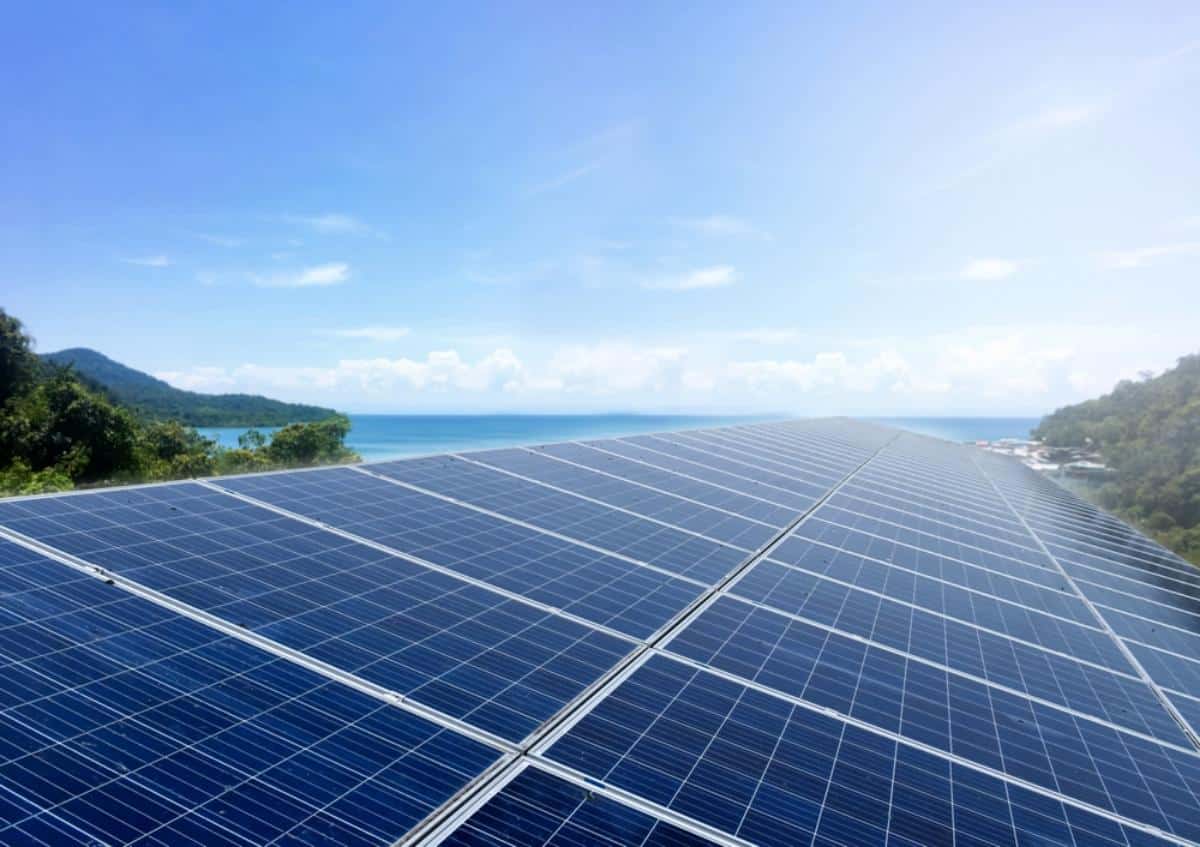
Starting this year, President Joe Biden will quadruple the tariffs on Chinese Electric Vehicles (EVs), raising the rate from 25% to 100%. Similarly, tariffs on solar panels imported from China will double from 25% to 50%. Furthermore, duties on Chinese steel and aluminum will more than triple, increasing from the current 7.5% to 25%.
President Biden has also directed U.S. Trade Representative Katherine Tai to triple the tariffs on lithium-ion batteries for EVs and other applications. Additionally, tariffs on Chinese semiconductors are set to rise from 25% to 50% by 2025. Other Chinese products will face import duties for the first time, including medical syringes and needles, as well as ship-to-shore cranes. Rubber gloves, respirators, and certain face mask models will also be subject to higher tax rates.
According to the White House, certain items—such as batteries and natural graphite—will have a longer transition period before the new rates take effect. This delay is intended to allow the U.S. manufacturing sector to scale up domestic production to meet consumer demand.
Senior U.S. officials stated, “China is producing goods at a rate that far exceeds global demand. This will flood the global market with products priced lower than those the U.S. can produce, increasing global vulnerability to economic coercion.”
In recent weeks, various U.S. government agencies have expressed concerns regarding Beijing’s industrial subsidies for the clean energy sector. They believe these subsidies encourage Chinese firms to produce clean energy products, such as solar panels and EVs, at low costs that far surpass domestic demand. U.S. officials warned that if these firms cannot sell their surplus domestically, the excess goods will end up in the global market, making it difficult for emerging clean energy industries in other countries to compete.
As a result of the U.S. ban, China has shifted its focus toward Southeast Asia, particularly Thailand. This shift has led to an oversupply and a significant drop in solar panel prices in the Thai market. Consequently, Thai entrepreneurs—especially domestic solar panel manufacturers—are facing intense competitive pressure and struggling to compete, mirroring the situation in the United States. The industry now awaits further corrective measures and policy direction from the Thai government.