Extreme Heatwaves Exert Unprecedented Pressure on Global Power Grids
From North America to Asia, electricity providers—including national utilities and power plants—are facing immense challenges in maintaining cooling services for the public as temperatures soar to record highs worldwide.
Rising temperatures have driven air conditioning demand to its peak, placing significant strain on power supply systems. The risk of widespread blackouts due to insufficient capacity remains a worst-case scenario that providers globally are striving to prevent.
In Texas, approximately 28.8 million residents were issued a voluntary conservation notice between June 15 and 21, after power demand surged as temperatures reached 110°F (over 43°C). Similarly, Mexico’s National Energy Control Center declared an emergency as energy reserves dropped to their lowest levels since the 2021 winter storm.
India and China have also endured extreme heatwaves since April. In India, power outages have disrupted air conditioning and water supplies. Recently, intense heat has resulted in a high number of fatalities in northern India, overwhelming local hospitals and morgues. Meanwhile, Beijing broke its June temperature records today, with temperatures hitting approximately 106°F (41°C). Cities in southern China have urged citizens and the private sector to reduce electricity consumption, while the National Energy Administration has conducted emergency drills to prepare for potential summer power outages.
A study covering over 13,000 cities worldwide reveals that the number of people exposed to extreme heat tripled between 1983 and 2016. This has heightened the vulnerability of electricity providers; notably, 2020 saw record-breaking power outages attributed to extreme weather conditions and wildfires.
Paradoxically, air conditioning is a “double-edged sword.” While it provides essential cooling, it consumes vast amounts of energy and contributes to greenhouse gas emissions, further exacerbating global warming. Consequently, comprehensive solutions beyond mere air conditioning are required.
Urban planners are currently redesigning neighborhoods to mitigate heat retention. Authorities have begun issuing heatwave warnings with the same severity as severe storm alerts. Some regions have even appointed specialized heat officers to manage these crises. In the European Union and the United States, there is a push to promote the use of heat pumps, which provide more energy-efficient heating and cooling than traditional appliances and offer superior dehumidification compared to standard air conditioners.
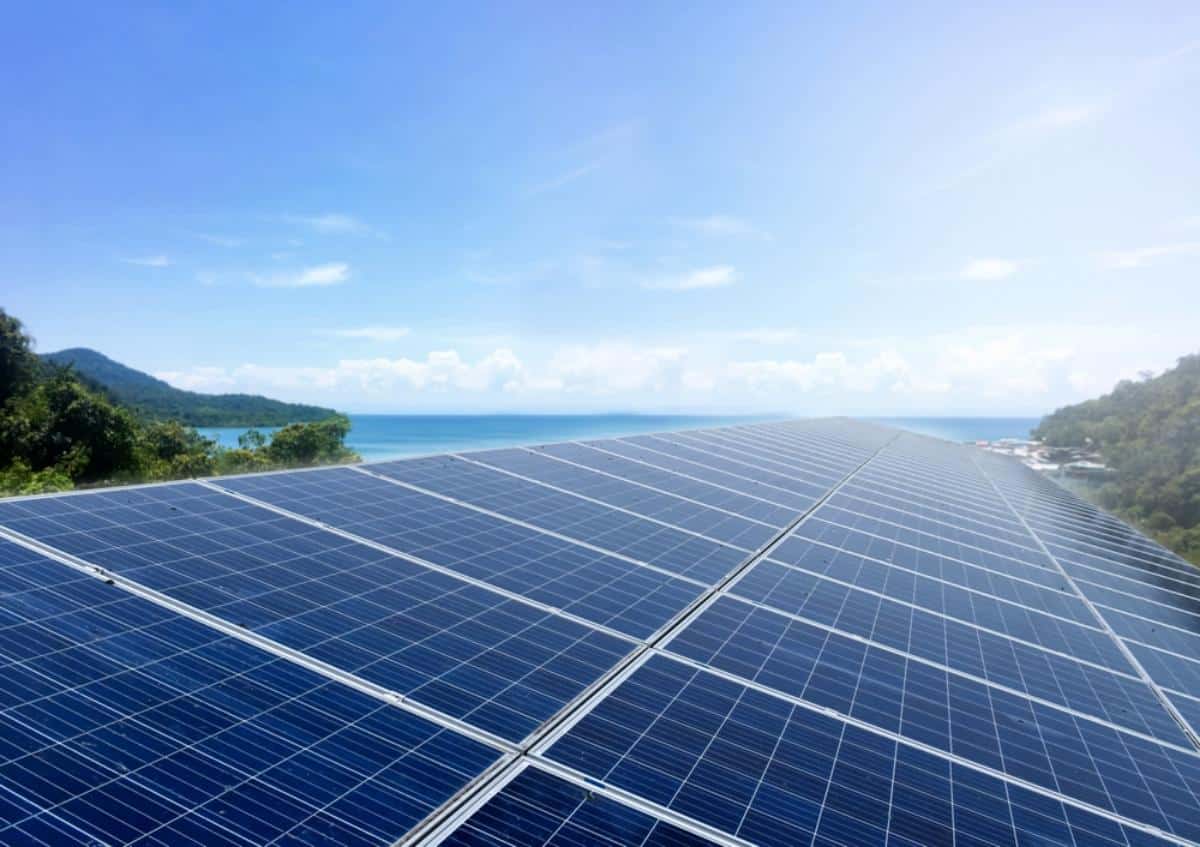
Addressing the root cause requires preventing global temperatures from rising further, which necessitates a fundamental shift in our energy infrastructure. Transitioning to clean energy, such as the widespread installation of solar PV systems, is a critical path toward managing the climate crisis and ensuring that power grids remain resilient against increasingly severe natural disasters.
Source: The Verge