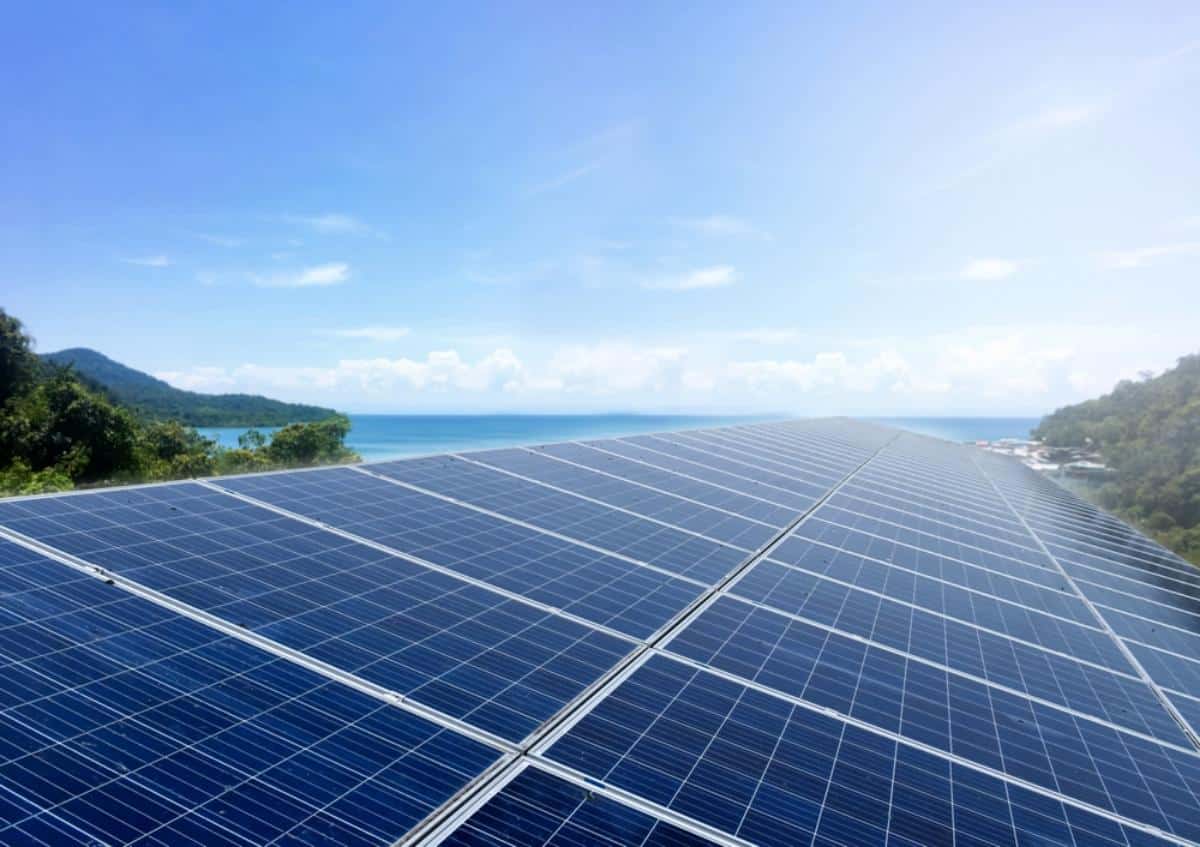
The study titled “Coloring of Building-Integrated Photovoltaic (BIPV) Modules,” published in Energy & Buildings, explores the innovative integration of solar technology into architectural design.
Building-Integrated Photovoltaics (BIPV) refers to the integration of solar cells directly into building materials, primarily utilized in building envelopes or facades. This technology transforms sunlight into a primary or supplementary energy source while serving as a functional part of the building structure.
Currently, solar installations are predominantly found on the rooftops of residential, commercial, and industrial buildings. BIPV represents the next evolution in solar technology, moving beyond traditional rooftop mounting to become an inherent element of architectural aesthetics.
Researchers from the École Polytechnique Fédérale de Lausanne (EPFL) and the Swiss Centre for Electronics and Microtechnology (CSEM) conducted a comprehensive study examining crystalline silicon solar panel manufacturing technologies, suppliers, and key success factors. The goal is to meet the demands of architects and real estate developers for visually appealing BIPV buildings.
Manufacturing Techniques and Financial Analysis
The research—funded by the European Union and Switzerland—analyzed the production methods, costs, challenges, and advantages of current BIPV technologies. The study found that color can be added to standard solar panels through several methods:
- Colored Cover Glass: Manufactured using screen printing or digital ceramic printing.
- Colored Encapsulants: Utilizing Polyvinyl Butyral (PVB), Ethylene Vinyl Acetate (EVA), or Polyolefin Elastomers (POE).
- Advanced Coatings: Adding active semi-transparent layers, structured coatings, or adhesive patterned foils directly onto the glass or cells during or after production.
Several manufacturers utilizing these techniques were highlighted, including European firms such as Kameleon Solar, Kromatix, Megasol Energy, Onyx Solar, 3s Swiss Solar Solutions, and Freesuns. These companies utilize coloring technologies provided by Solaxess, Kromatix, and Glas Trösch. Other notable mentions include Sistine Solar (USA) and Advanced Solar Power (China). In total, the study profiled 16 colored BIPV technology suppliers, detailing their products, pricing, standards, and success factors.
Challenges and Standardization
Standardization remains a significant hurdle for BIPV technology, whether colored or not. Manufacturers face a triple-layer challenge, as panels must comply with:
- IEC Standards (Solar performance and safety)
- Building Standards (e.g., EN 13501 for fire safety)
- Safety Glass Standards
Since colored BIPV bridges the gap between the photovoltaic and glass industries, increased collaboration is essential. Antonin Faes, a Swiss researcher, stated to PV Magazine:
“The success of colored BIPV should be a collaborative effort between stakeholders in the building and PV sectors—specifically between PV manufacturers and facade builders. This joint effort will enhance the value proposition and reduce the overall costs of colored PV facades.”
Success Factors and Outlook
The research emphasizes that BIPV is increasingly cost-competitive with high-end traditional building cladding, while offering the added benefit of electricity generation. Key success factors include:
- Reliability and Stability: Ensuring that encapsulants and coatings undergo “rigorous testing” to prevent discoloration, degradation, and fire hazards.
- Strategic Targeting: Focusing on mid-sized and low-rise buildings.
- Early Integration: Considering the impact on the bill of materials (BOM) and installation processes from the early design stages.
In conclusion, while the team acknowledges the need to address energy loss associated with colored PV, they maintain a positive outlook on the “overall environmental and economic advantages” of BIPV.
Looking forward, Faes noted a surge in interest in colored BIPV, marking a decade since CSEM launched the first white PV module. “This topic is fascinating because it exists at the intersection of objective PV system efficiency and subjective architectural emotion,” Faes remarked.